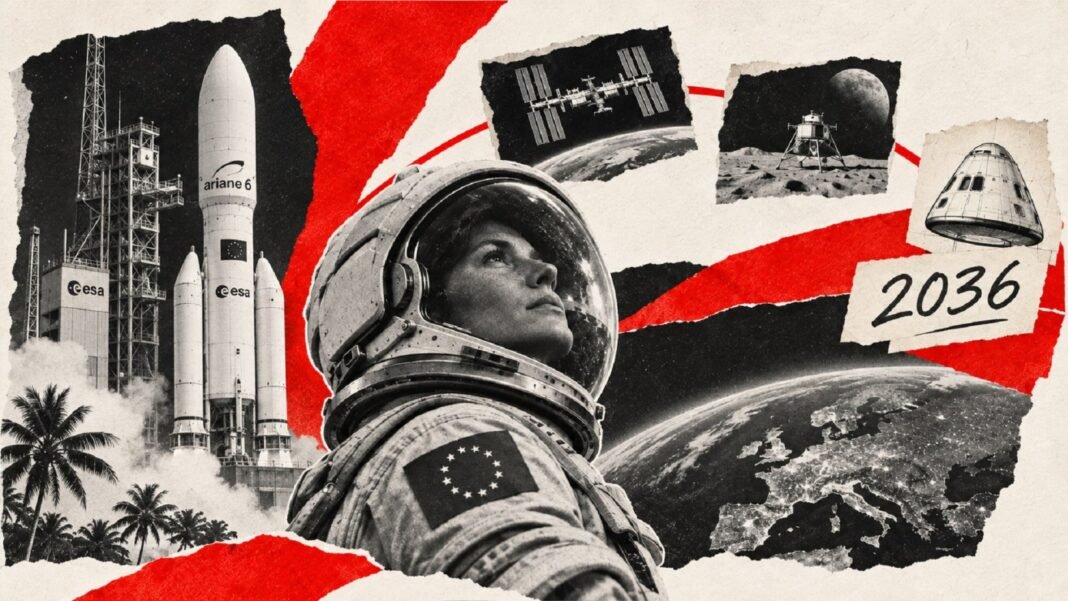
European astronauts on top of an Ariane 6 around 2036? Questioned during the flight VA271 campaign, the director of the ESA Ariane program refers the decision to the ministers, who will meet in Rome on December 15, 2026.
Europe knows how to launch satellites, probes and telescopes, it was able to operate a cargo ship to resupply the International Space Station, it has its own rockets and sovereign launch bases, but it has never sent its astronauts into space itself. We always had to count on the Americans or the Russians.
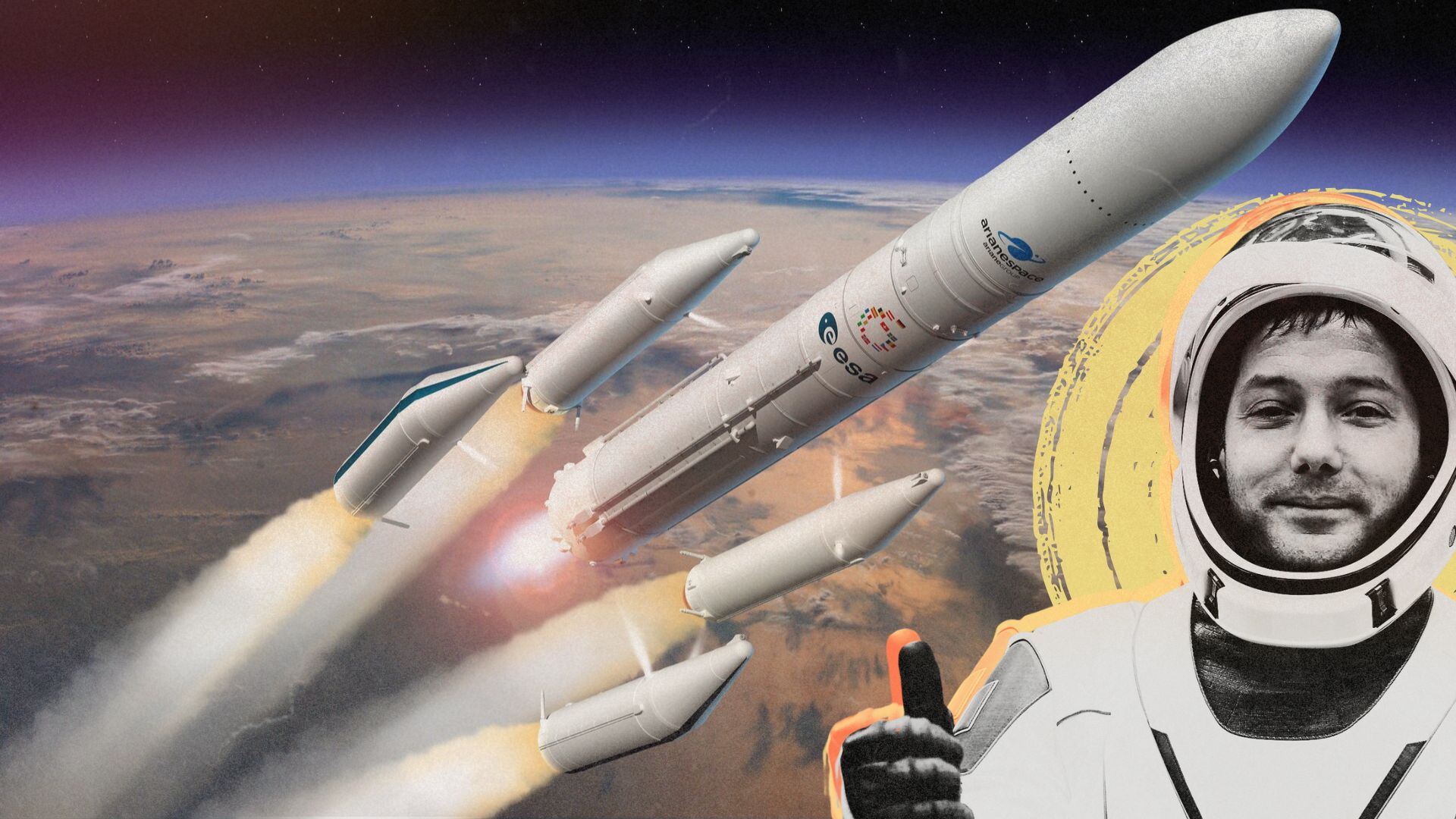
However, the subject has moved to the top of the pile this year, at a time when the Old Continent is at a crossroads in terms of space autonomy, to the point that Josef Aschbacher, director general of the European Space Agency (ESA), confirmed in June that the agency was studying the adaptation of Ariane6 to transport astronauts.
It would then be a revenge on history: the European Hermès shuttle project, launched in 1984, was abandoned in 1992 for technical and financial reasons.
While the VA271 flight campaign takes place in French Guiana, where Numerama is on site (the launch, scheduled for Monday, November 23, was postponed by at least one day due to a technical problem with the ground installations), we were able to speak with Louis Laurent, director of the Ariane program at ESA.
Asked what the next capabilities could be considered for Ariane 6 in the more or less distant future, Louis Laurent cited “ manned flight, which we are looking at for 2036 “. A horizon of 10 years, therefore, during which the European launcher will also have benefited from technical and software improvements.
This response is not yet a firm commitment from the ESA, since the final decision is political. Ministers from the 23 member states are due to give their direction on December 15 in Rome, during the ESA interim ministerial meeting. The remaining obstacles are therefore primarily financial and political.
A step-by-step timetable for achieving human flight
This horizon does not come from nowhere; it was mentioned by Emmanuel Macron on September 10 at the international space summit organized at the Grand Palais. The President of the Republic has set a timetable in three stages:
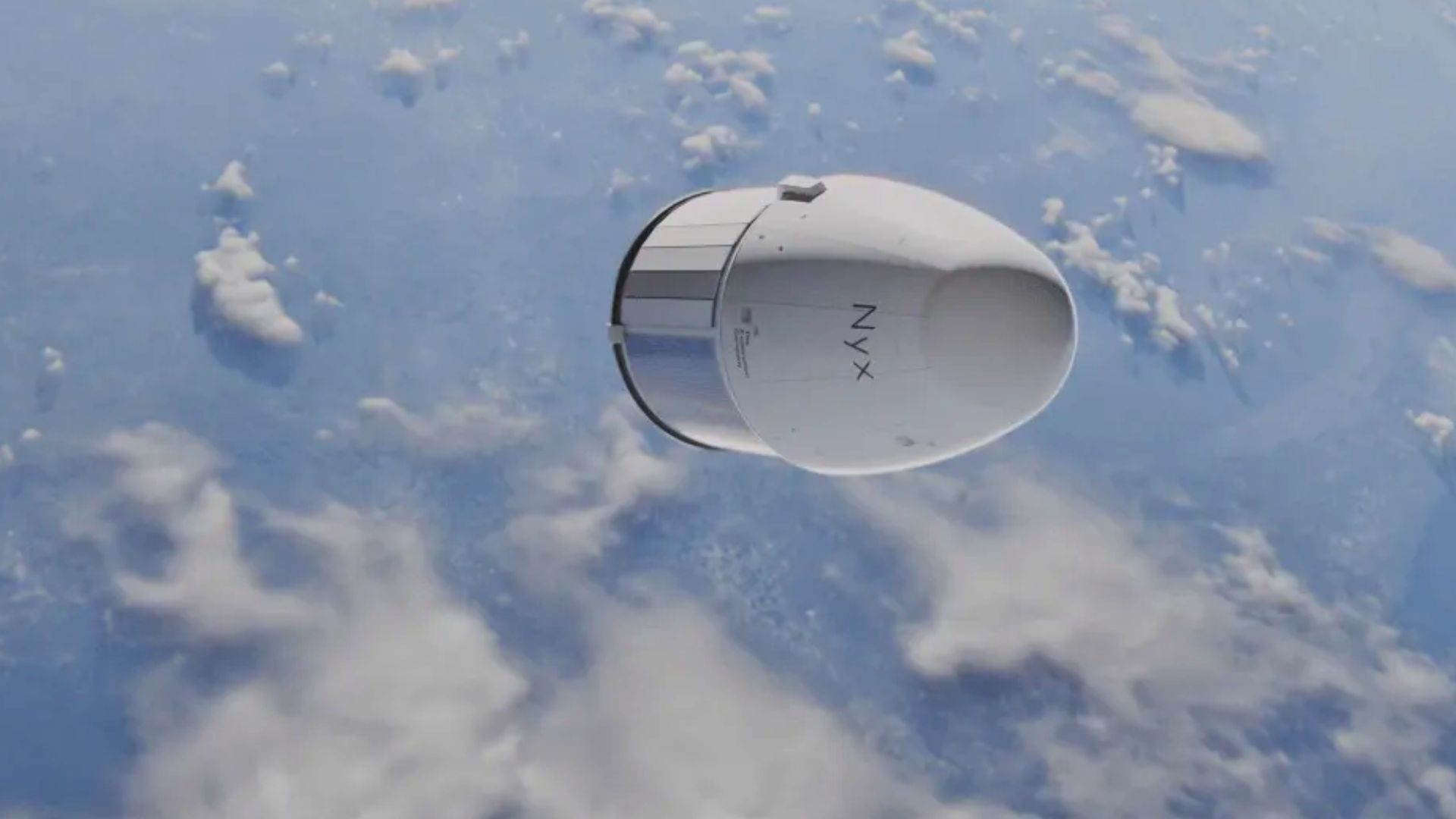
- The European Nyx cargo capsule docked with the International Space Station (ISS) in 2 years,
- the Argonaut lander on the Moon in 5 years,
- And ” in 10 years, the first manned European capsule » from Kourou.
This timetable remains for the moment a French ambition, and it is up to the Member States to decide whether they finance it. But at ESA, there is a certain enthusiasm for this prospect. “ It would be a revolution, it would be incredible! », Launched Louis Laurent. Beyond European autonomy, the meeting must deal more broadly with the exploration roadmap.
On the rocket side, the industrialist says he is ready. “Technically, the Ariane6 launcher is fully capable of manned flight», assured Christophe Bruneau, executive president of ArianeGroup, during a press conference on September 7. The entire upper part would essentially have to be adapted to accommodate the inhabited capsule.
A big project for the center and the rocket
The adaptation work is not trivial: the launcher must make it possible to interrupt the mission and evacuate the crew in the event of an emergency. The shooting range in Guyana will also need to be updated, for the same reasons. Above all, the vehicle itself is still missing, which must be thought of, developed, built, tested and validated.
Ariane 6 must also demonstrate its long-term reliability. Certainly, the machine has already flown 9 times, and has had eight successes since March 2025, but that is too little. In May 2025, Didier Schmitt, head of future human and robotic exploration programs at ESA, explained to Futura that an Ariane 6 which would fly around fifty times in a row without incident would in fact be qualified to carry a crew, if all the other prerequisites are met.
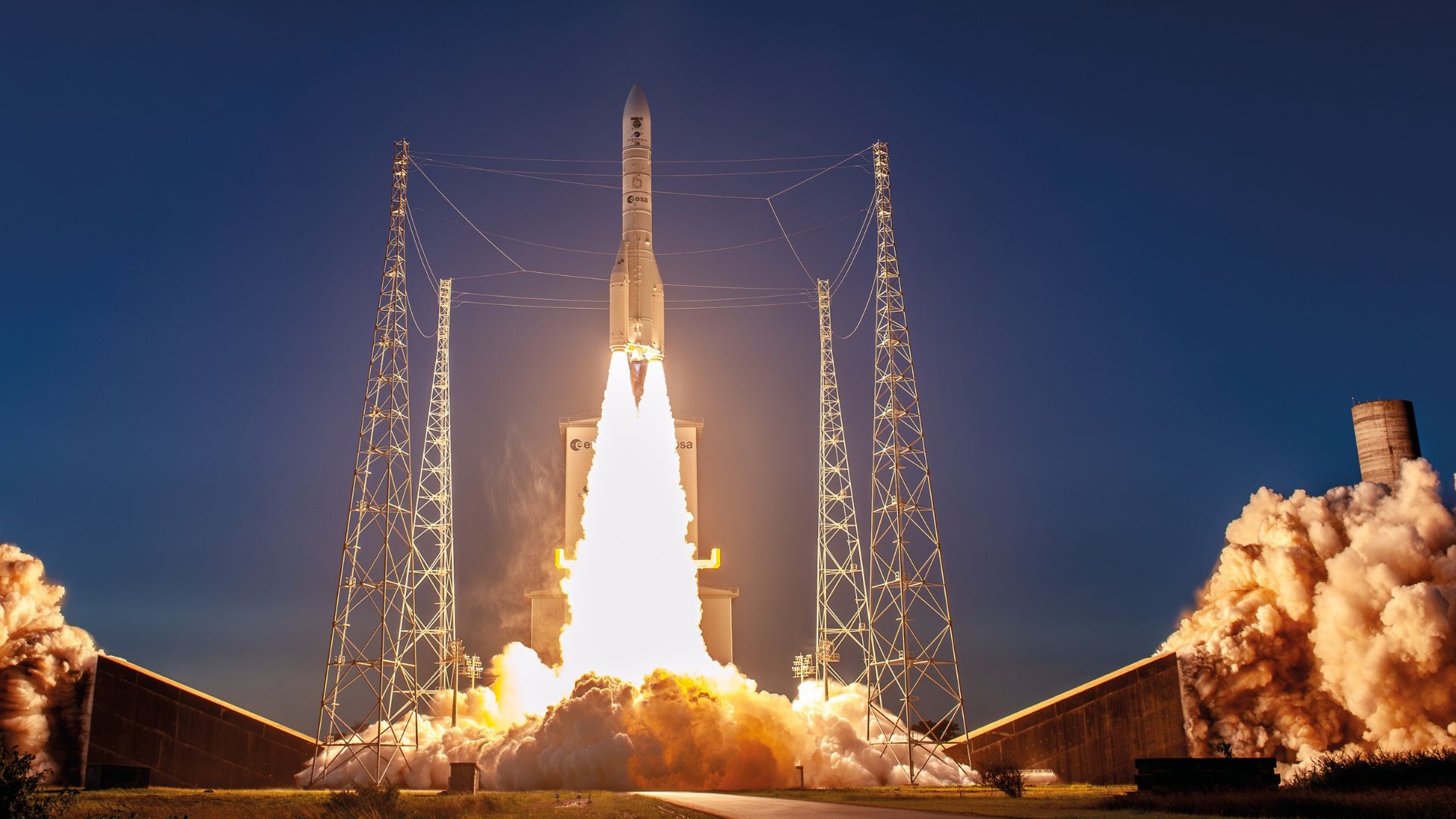
What’s more, Ariane 6 experienced a certain scare from its inaugural flight, in July 2024, with a partial failure. The postponement of mission VA271, even though the incident only concerns the ground segment and not the rocket, shows that there can always be bumps in the road. In short, you will have to shoot again and again to gain experience.
Arianespace, the ArianeGroup subsidiary which operates the rocket, is aiming for 9 to 10 launches per year from 2027, and ArianeGroup is studying with the ESA an increase in pace beyond that. At this rate, the minimum milestone of 50 flights would be reached at the beginning of the 2030s, and the rocket would therefore, on paper, have time to be qualified before 2036. This, obviously, if there are no other serious bumps along the way.
For the vehicle itself, the most advanced candidate is called Nyx, the cargo capsule from the Franco-German start-up The Exploration Company. At the Paris summit, it was presented with Ariane 6 like a brick intended to evolve towards manned flight. There is still a way to go: Nyx must first prove that she knows how to dock with the ISS.

All the tech news at a glance
Add Numerama to your home screen and stay connected to the future!

An exclusive editorial, a guide, a reading summary and the editorial agenda: this is what you will find every Thursday in AlwaysPlus, the tech newsletter written by Julien Cadot. Register for free here!