I have a relationship that could be described as toxic with Phantom Blade Zero. I loved it so much. I hated him so much too. I would have liked to make it my game of the year 2026, but some of its flaws prevent me from doing so. It nonetheless remains an excellent action game, as my review shows.
I still remember the first time I was able to play Phantom Blade Zero. It was August 2024 and gamescom, a video games fair organized in Cologne, was in full swing. “The absolute kif”, I then dared in the title. Since that first preview, I’ve been counting down the days, as I can’t wait to get back to this incredibly satisfying action gameplay. More than two years have passed and Phantom Blade Zero was finally released on October 29 on PC and PlayStation 5.
Unfortunately, the “love” was not absolute in the almost 40 hours that I spent on Phantom Blade Zero. The adventure will ultimately have been a real emotional elevator, going from astonishment to frustration. The game from Chinese studio S-Game has real arguments for it, but it also has to deal with sometimes painful flaws. I generally liked Phantom Blade Zero. Except I would have preferred to love it.

The achievement of Phantom Blade Zero is impressive
And the narration?
Phantom Blade Zero multiplies the subplots, the characters, the betrayals. The result is a disjointed and difficult to digest narrative, which begins with a strange introduction. Especially since there are many, many documents to collect.
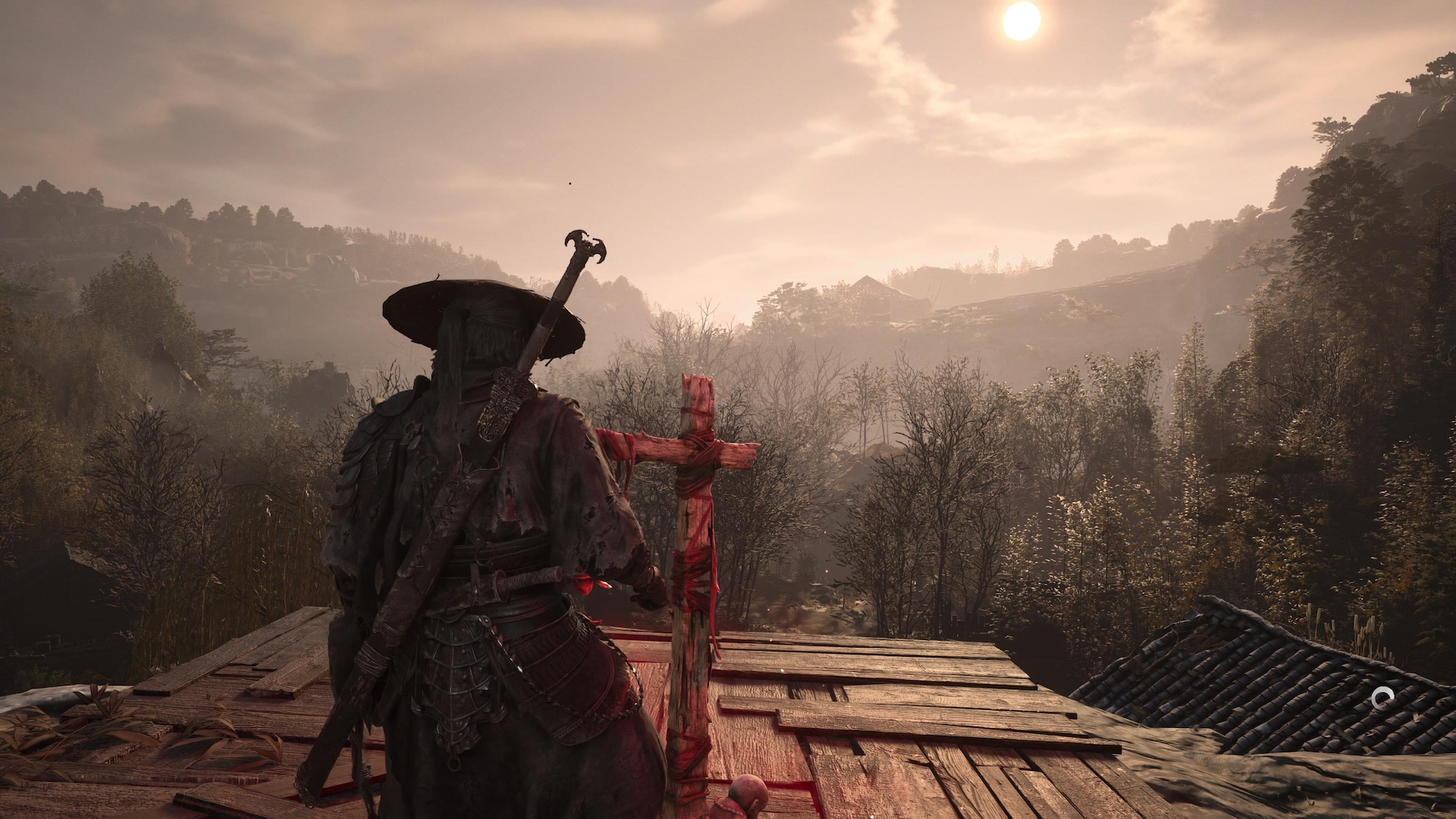
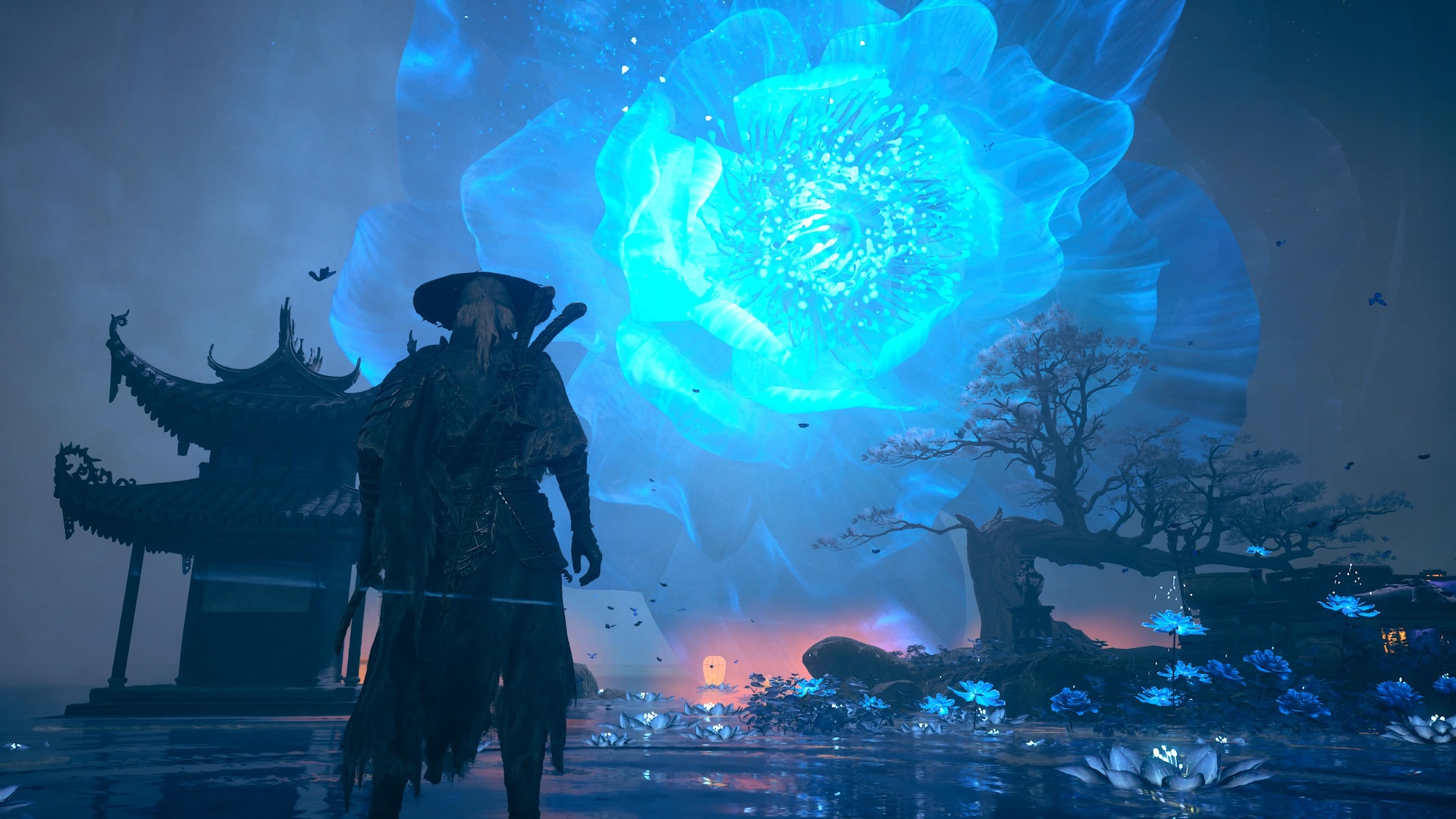
In terms of implementation, Phantom Blade Zero pulls out all the stops. The developers are making full use of the Unreal Engine 5, with certain settings that are dizzying because they are full of details and successful effects. It is also the result of a relatively inspired artistic direction, even if dazzling moments rub shoulders with more generic elements (the blacksmith is called… Forge). The animations were also the subject of a lot of work, with the help of Donnie Yen, Hong Kong star of martial arts films, creative consultant for the game (he also plays the character of Mó Yuan). The production quality is really very, very high. Even the soundtrack benefits from it, with some very surprising pieces in certain situations (we’ll leave you the surprise).
Phantom Blade Zero doesn’t drown in a huge open world
The shape of Phantom Blade Zero is so unique and careful that we will forgive its few technical errors, such as slowdowns as soon as the scene becomes busy (one of the final fights, for example). There is no reason to hold this against S-Game, who put a lot of heart, talent and passion into the work, making Phantom Blade Zero one of the most beautiful games of its generation.
In its generous structure, Phantom Blade Zero don’t drown in a huge open world. It brings together several specific areas, quite extensive and rich in secrets. Some are even completely optional and reward those who want to complete all the side quests and search every corner of the environments. Like a Metroidvania, Phantom Blade Zero blocks access to passages behind a weapon to be recovered. This influence is rather intelligent, since it will invite the most curious to go back. Everything is correctly indicated on a map which is revealed as you unlock passage points (taking the form of bells). These side quests are not only used to fill out the map: they modify the main story, which has eight different endings (we had two).
Spectacular fights, but a little room for improvement
A less punishing game
In Phantom Blade Zeroif a boss has several phases, you will not have to start from the beginning in the event of a game over. Each completed phase is done for good.
Phantom Blade Zero is what we call a soulslite, a subgenre heir to the trilogy of Dark Souls and focusing a little more on spectacular action. However, don’t think that he is losing his standards. Its gameplay is in fact based on a grammar to be understood in order to survive against enemies with the unfortunate tendency to claim an endless life bar (especially bosses). It first consists of identifying opposing attacks, according to a simple diagram (red, we dodge, blue, we parry), in order to respond properly.
You must then understand that you will only do damage from the moment the guard gauge is exhausted. For a few seconds, you can chain attacks together to eat away at the opponent’s life bar, until death ensues. This pattern quickly becomes repetitive and tedious, and the difficulty will eventually become indexed to your ability to keep up the length. On the other hand, the enemies do not play by the same rules and hurt you much more, transforming the fights into a real test of endurance. With bosses that are more vulnerable and take less time to beat, Phantom Blade Zero would be much better.
There is also a question of sensations. The lack of feedback in shots, whether visual or sound impact, is penalizing (especially compared to a Onimusha: Way of the Swordwho excels in this area). We can play with the options to mitigate this defect, but it is never 100% convincing. The timing of the parades also leaves a strange impression. From time to time, we get the feeling that the character is playing on autopilot. But if we don’t play, we lose. The result is messy and difficult to read gameplay, which prefers swagger to efficiency. It’s a shame, because the boss cast is really varied and avoids the pitfall of repetition (a problem that… Onimusha: Way of the Sword).
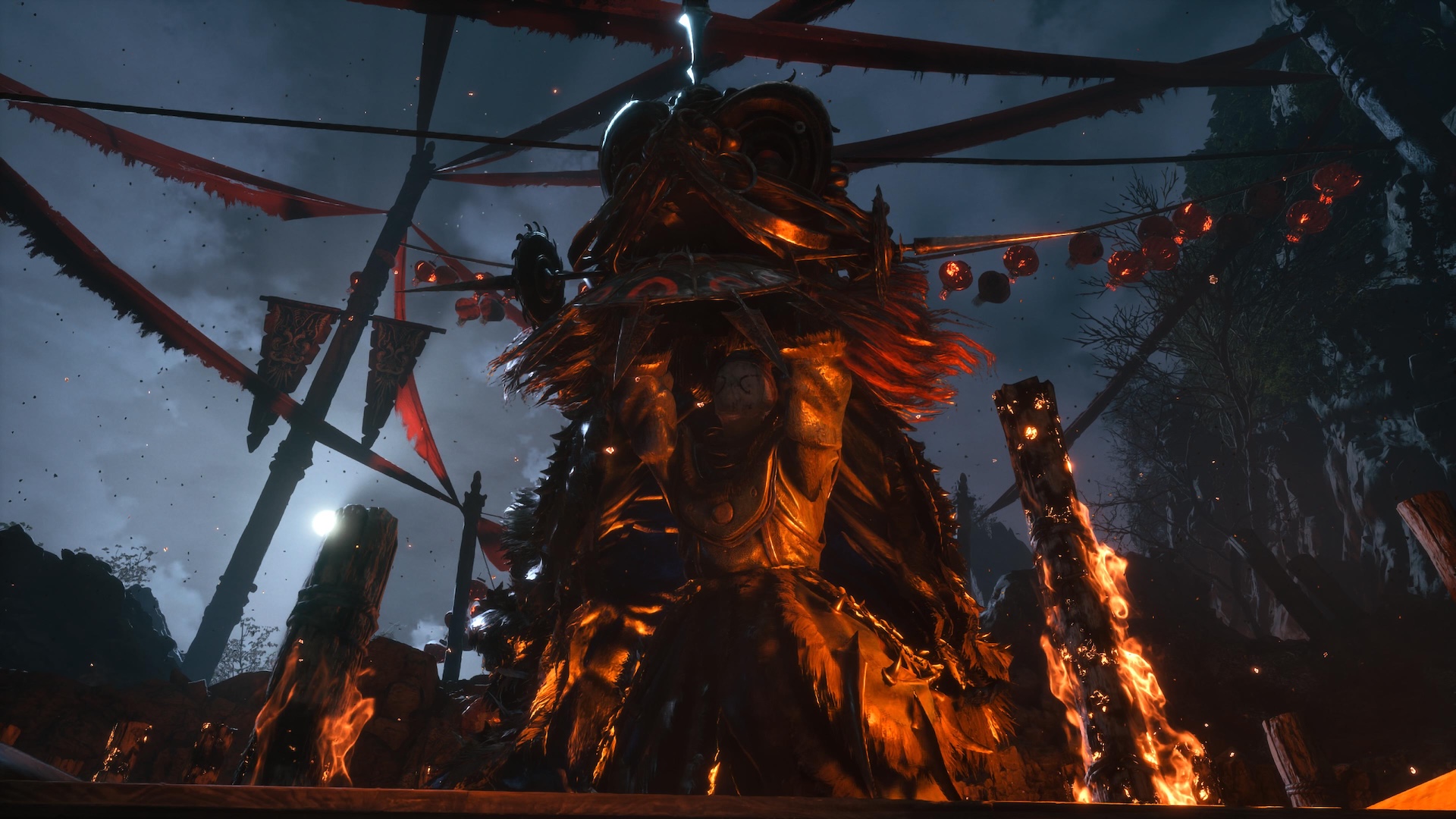
S-Game also sows strange ideas here and there, which do not always become rules of the game. We think of QTEs (those sequences where you have to press the right button at the right time), which appear in a handful of fights, but not in all. As if two separate teams had developed the game each on their own, without consulting each other. We also don’t understand why, suddenly, the game allows us to increase our life bar several times in the space of a few hours. Nor why the screen goes dark when you’re about to die, which artificially increases the challenge. Nor the interest of this skill tree which requires completing secondary objectives to unlock powers.
On the other hand, Phantom Blade Zero excels in its arsenal, which can be improved. You can equip two main weapons at the same time, and quickly switch from one to the other in the middle of a confrontation (which restores your stamina, by the way), as well as two secondary ones. With more than 50 weapons, the build possibilities are multiple, with profound differences between the different possible options. Added to this are accessories that grant passive skills, whether worn on attack or defense. On the depth side, Phantom Blade Zero don’t be wrong. I actually changed weapons several times, which normally happens very rarely to me in other games of the genre.
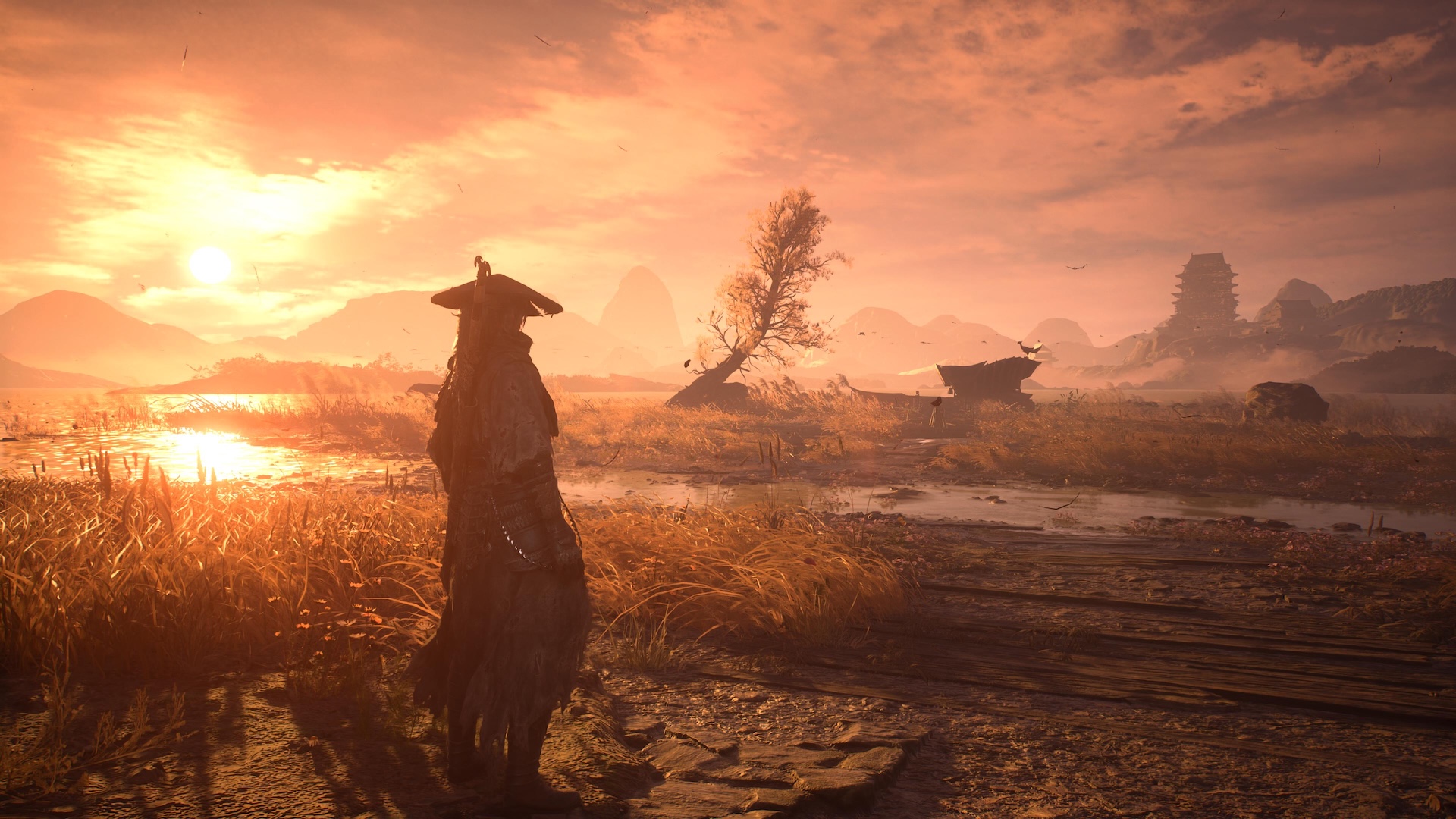
Note that Phantom Blade Zero has the good taste of not resurrecting enemies when you rest. How peaceful it is to walk in settings cleansed of all life. It’s certainly a bit depressing, but the game world wants that.
The verdict
We liked
- High-flying achievement
- Successful bosses
- Varied arsenal
We liked it less
- Perfectible gameplay
- You have to hang on for the narrative
- QTEs, why?
When I tried Phantom Blade Zero for the first time, I really believed that it had solid arguments to claim GOTY 2026 status. Unfortunately, everything is far from successful in the action game from Chinese studio S-Game. Very attractive in form, if not impressive in the exploitation of the Unreal Engine 5 engine, Phantom Blade Zero is based on polished production. It is also very generous in its structure and content, with a plethoric arsenal, several endings and inspired bosses. We would like to say the same about the gameplay. By relying too much on the big show, he gets lost in a perfectible proposition. We sometimes lack control over the action, while the absence of sensations in the impacts contrasts with what is happening on the screen. So many grievances that accompany a tough journey that we end up loving through persistence. But you have to hang on.
All the tech news at a glance
Add Numerama to your home screen and stay connected to the future!