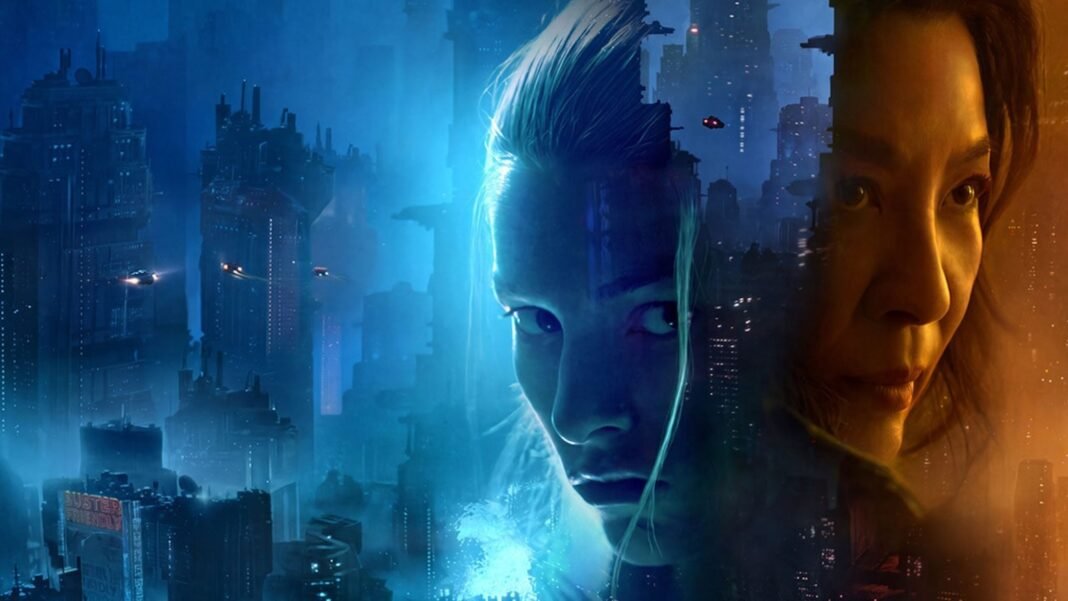
An 80s SF masterpiece, Blade Runner and its dystopian universe are available in an elegant mini-series. Carried by Michelle Yeoh and Hunter Schafer, Blade Runner 2099 arrives on November 25 on Prime Video. Here are six good reasons not to miss it.
Awaited with as much curiosity as caution by fans, the series Blade Runner 2099 has the difficult task of perpetuating the legacy of a pop culture monument. Free adaptation of the novel “Do androids dream of electric sheep?” » (1966) by Philip K. Dick, the film Blade Runner (1982) by the great Ridley Scott helped define the aesthetic of dystopian works in cinema. Daring mix between SF and neo noirit immerses us in the investigation of Rick Deckard (Harrison Ford), a tortured cop who belongs to a special division, the “Blade Runner”, responsible for tracking down Replicants deemed deviant.
In this rainy Los Angeles located in 2019, a private company, Tyrell Corporation, holds the monopoly on the creation of Replicants, biosynthetic androids used as forced labor. With its cyberpunk aesthetic, its eighties looks and its breathtaking exterior settings, Blade Runner remains a classic of the genre, immediately recognizable. We give you 6 good reasons to give its serial sequel a chance.
1. Immerse yourself in the hypnotic world of Blade Runner
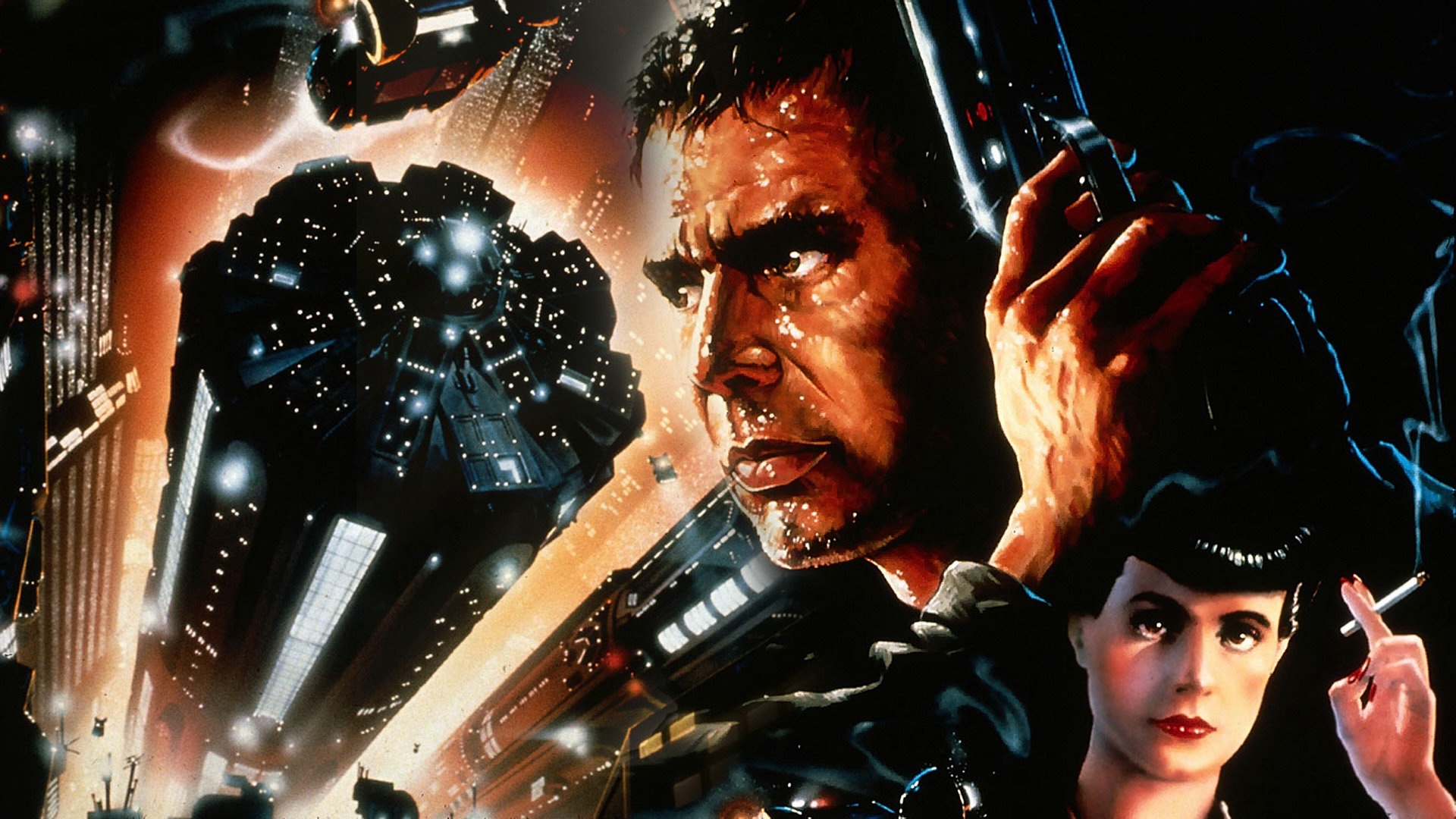
Like many avant-garde films, Blade Runner had a mixed theatrical release: a failure in the United States, the film became a success abroad. The reviews were harsh, but it won prestigious awards (Bafta and Hugo Prize). Over the years and with the release of a Director’s Cut, Blade Runner acquires cult film status.
Thirty-five years after its release, Denis Villeneuve is producing a sequel, Blade Runner 2049, starring Ryan Gosling. Aesthetically dazzling and consistent with the mythology established in the first film, it convinced a large part of the critics but its slow pace and its cold atmosphere did not appeal to the general public.
With two notable films and an animated series, Blade Runner: Black Lotus (2021), Blade Runner has acquired a hard core of fans, eager to discover the latest iteration of a universe that has become a franchise, the series Blade Runner 2099.
2. Ridley Scott had (a little) his say
In an audiovisual market which is falling back on IP (Intellectual Property) – stories already known to the public such as novels, podcasts, films etc. – the creation of a series around the universe of Blade Runner makes sense. The number one fear of fans, quite legitimate, remains seeing their favorite film diluted in a cheap production or that this sequel will contradict the mythology of the original work.
In this kind of risky business, the presence of the creators of the original material is reassuring. Created by Silka Luisa, the series was able to count on Ridley Scott, executive producer on the project. Producer Broderick Johnson confirmed in an interview: “ Ridley Scott was involved in this version from the beginning, deciding the timeline, whether a hundred years, fifty years or whatever had passed. He was involved in the whole project, even giving his opinion on the edits of the episodes and everything else. »
Ridley Scott’s opinion, however, remained advisory. A little earlier this year, the director of The Dog Stars (2026) regretted having lost creative control of Blade Runner (for a nice check!). “I can’t blame my lawyers and agents at the time, but somehow we let the rights to Blade Runner slip away. And when you are not the author of the text, you do not own the work. »
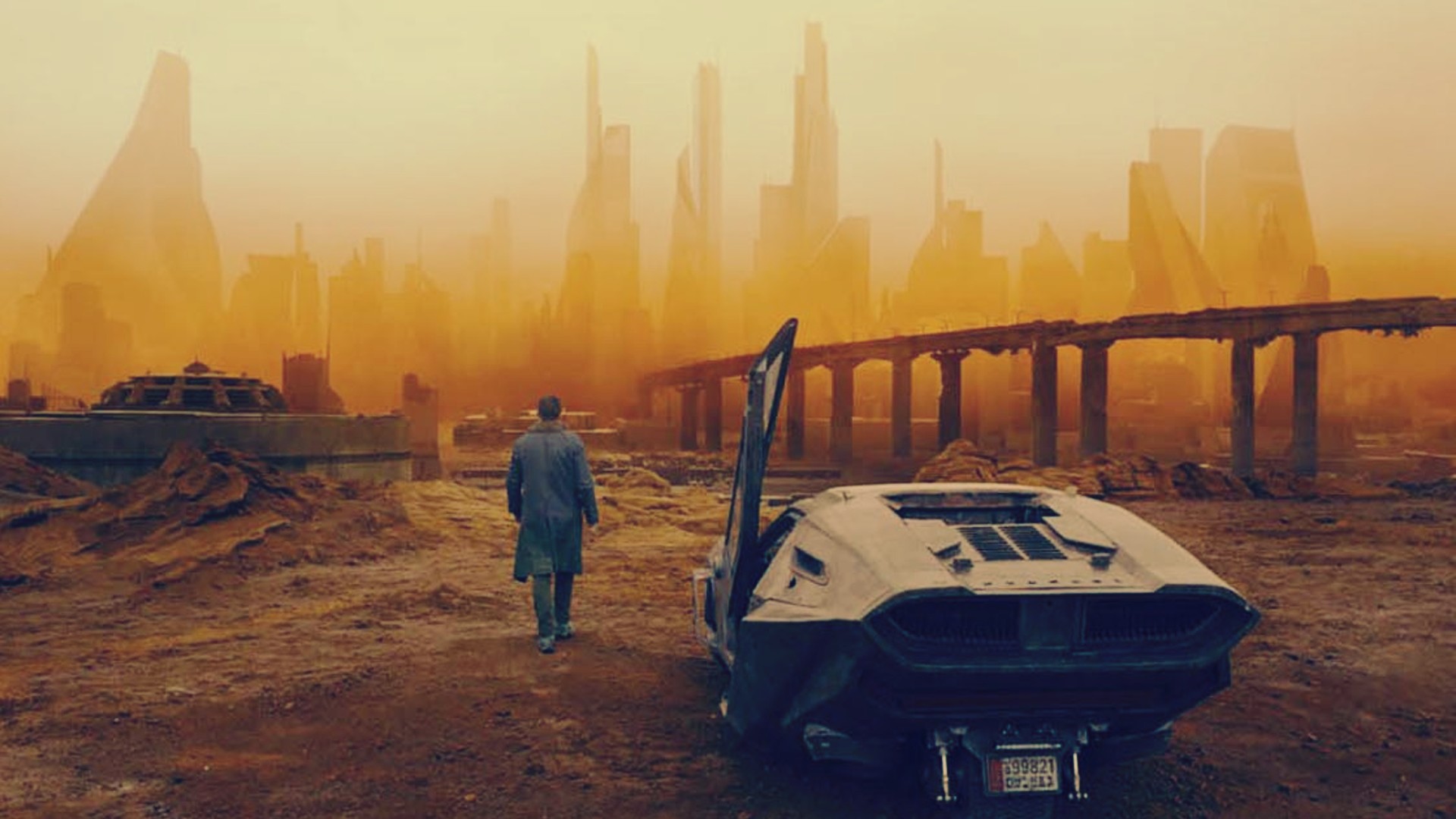
Words which reflect the bitterness of the director at not having been able to achieve Blade Runner 2049. At the time, he left his place to Denis Villeneuve to direct Alien: Covenant. Ridley Scott consoles himself with the franchise Alienof which he remained the owner. He notably produced the series Alien: Earth.
3. The series reshuffles the mythology cards
Silka Luisa imagined the story of Blade Runner 2099 in continuity with the two previous films. The series takes place half a century after Denis Villeneuve’s feature film. The Replicants have taken power in a Los Angeles plagued by global warming. The oppressed of yesterday have become the oppressors of today. This offers interesting narrative possibilities.
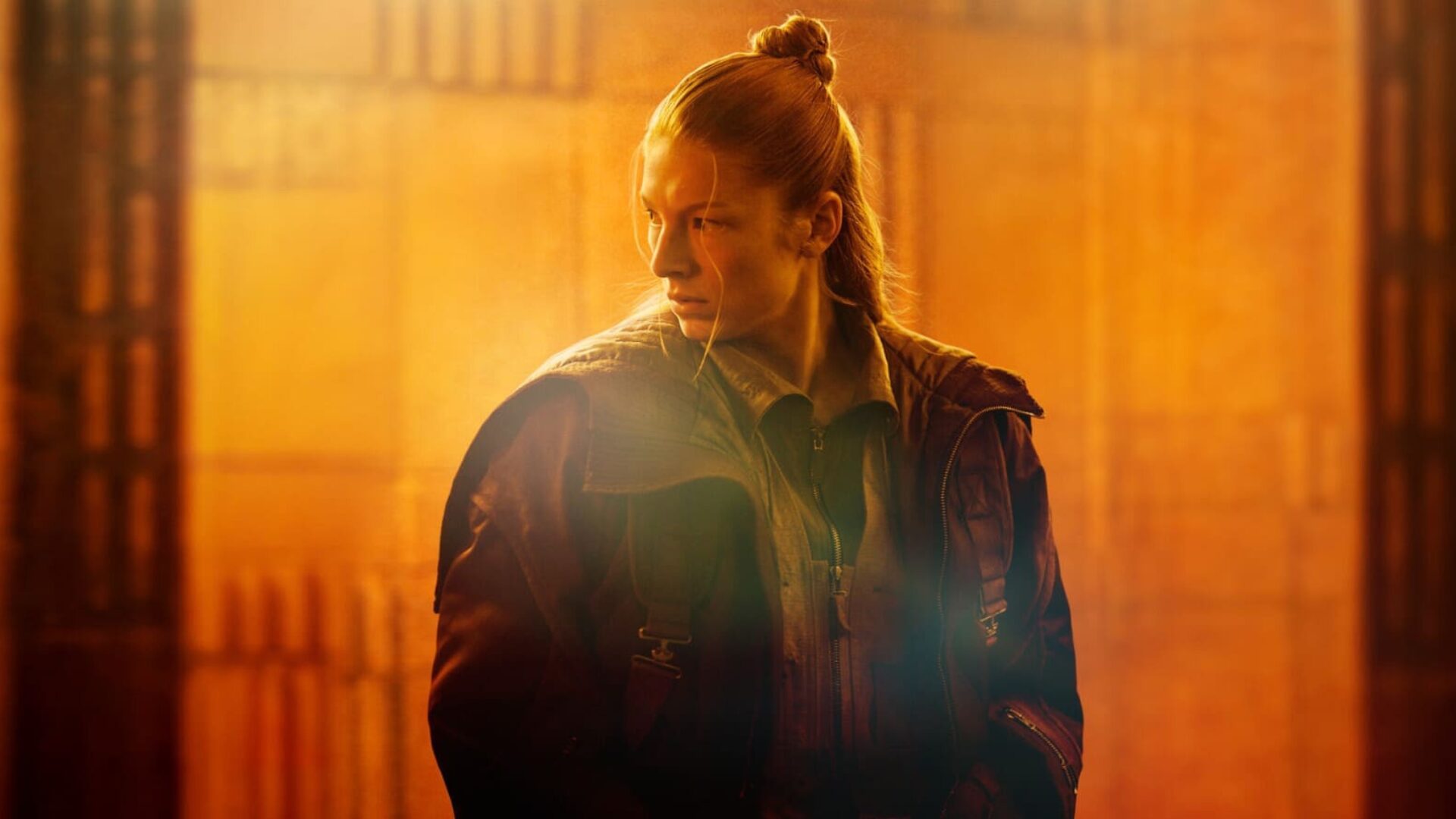
They are the new “Blade Runner”, who hunt down their own old models who present a danger to public order and treat humans as second-class citizens.
The story begins when Cora, a human on the run, decides to pose as a Replicant in order to protect her brother. The subterfuge works and she soon investigates alongside Olwen, a dying Replicant tasked with “retiring” her former Replicant partner.
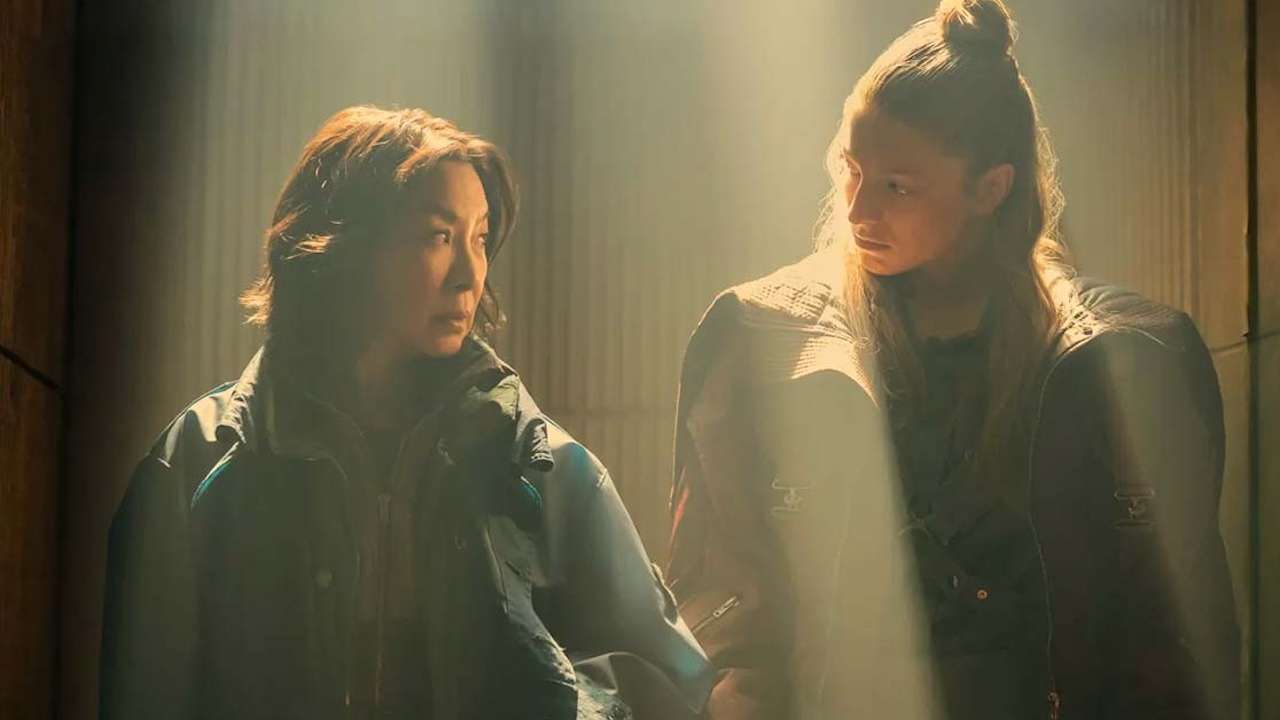
On the mythology side, the showrunner is also interested in the genealogy of the Replicants and in particular the very first Nexus One models. This should have created some new discussion threads on Reddit! If the series refers to Deckard, Silka Luisa has made it known that she will not decide the question of the nature of this cult character, human or Replicant. A very wise choice: Harrison Ford and Ridley Scott themselves disagree on the issue!
4. A female duo that moves
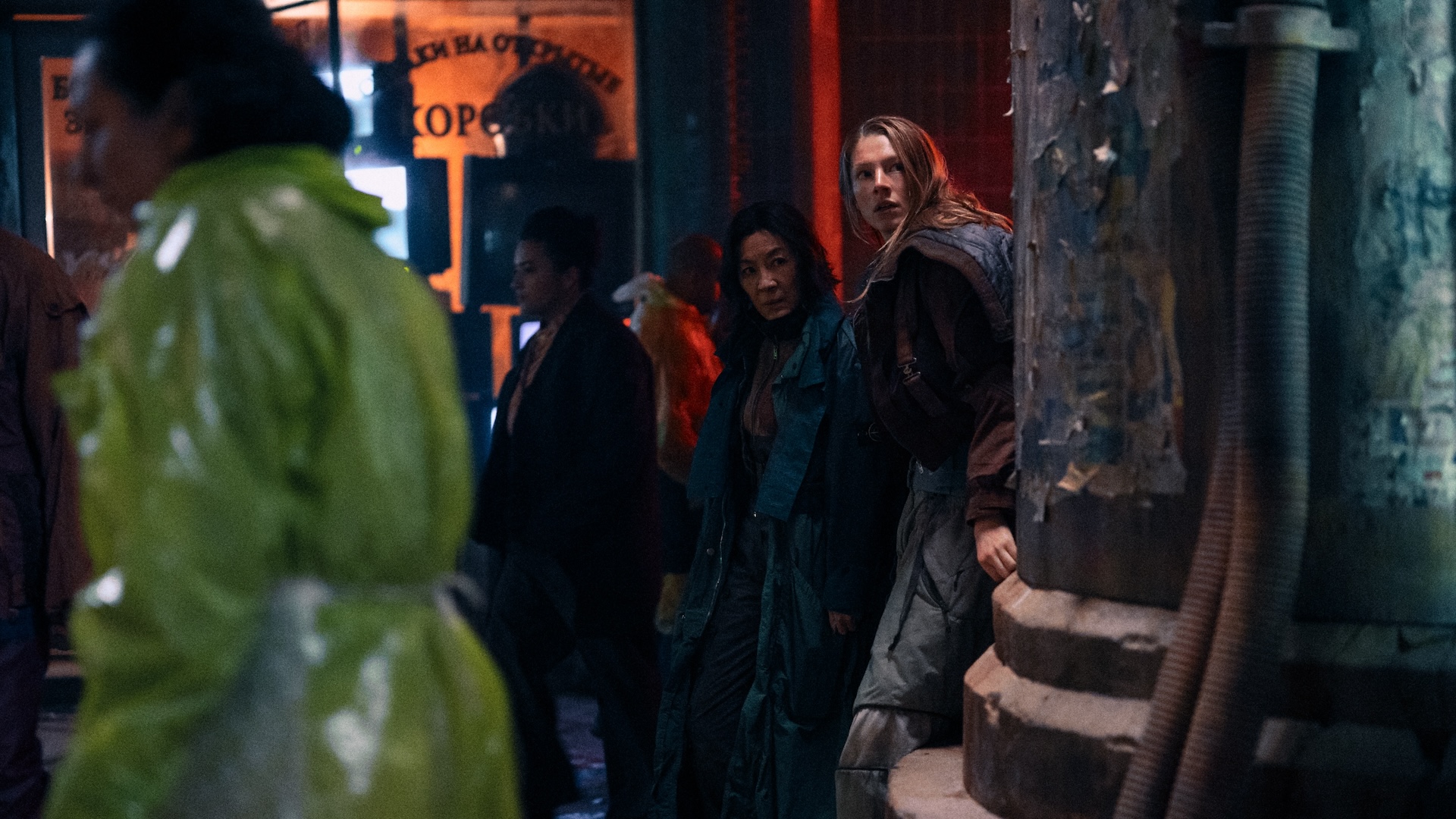
The series Blade Runner 2099 is based on the dynamic of a duo of female characters, Olwen and Cora, played by Michelle Yeoh, Hollywood queen of action films (Tiger and Dragons, Everything Everywhere, All at Once) and the much sought-after Hunter Schafer (Euphoria, Hunger Games : The Ballad of the Serpent and the Songbird). The two actresses shine as much in the action sequences as in the more moving scenes.
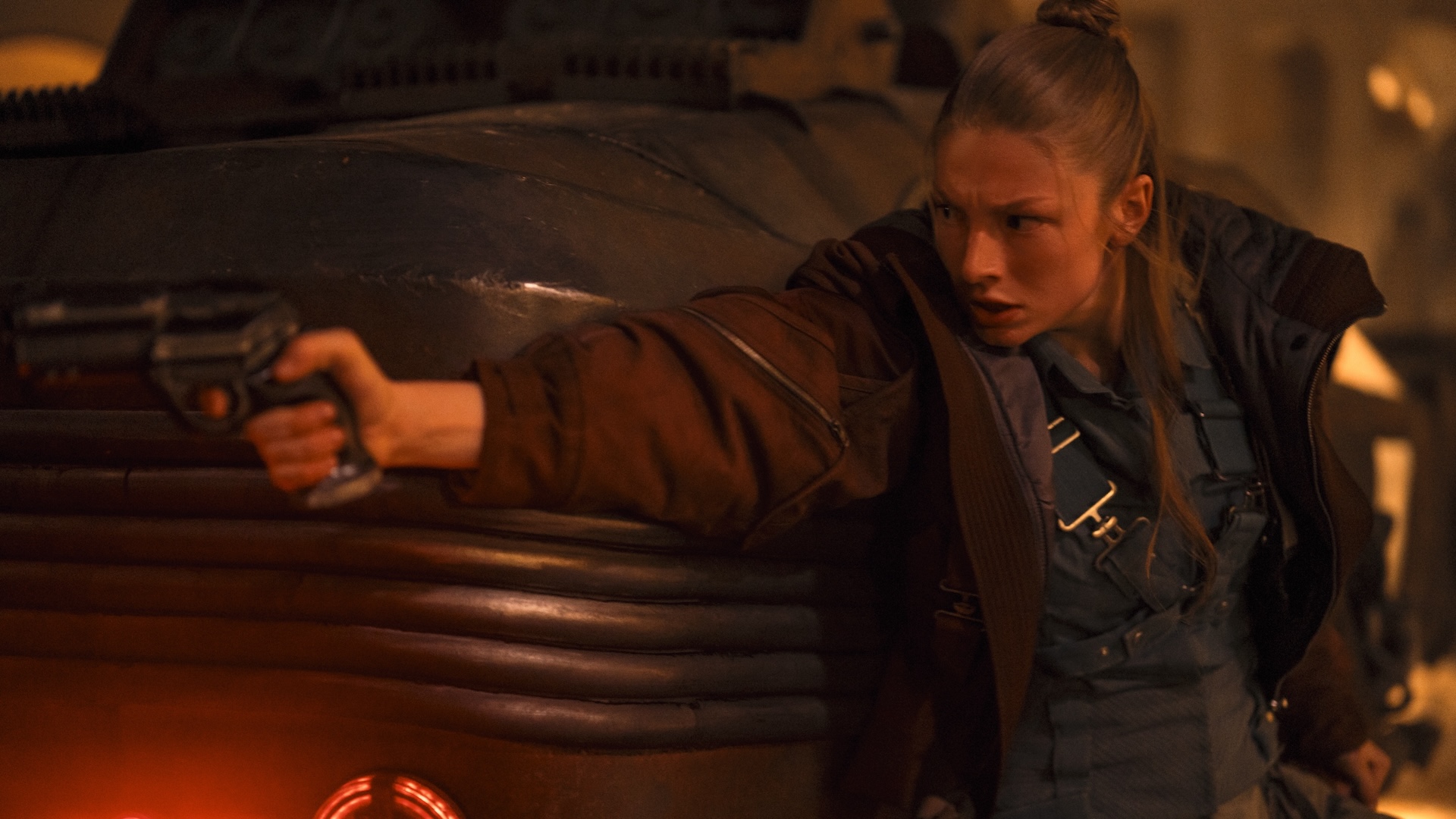
The relationship between these two badass women, who have more in common than they think, is the beating heart of the series. Throughout their investigation, they will learn to tame each other and overcome their respective prejudices about Replicants and humans.
It’s a very good idea to offer a female buddy movie, where the two previous films focused on male characters and placed their female protagonists in very secondary and sexualized roles (the naked AIs of Blade Runner 2049K’s perfect girlfriend, or the very passive Rachel in the first film). Goodbye to the male gaze: the mini-series proves that existential questions are as much feminine as masculine.
5. An ambitious fresco
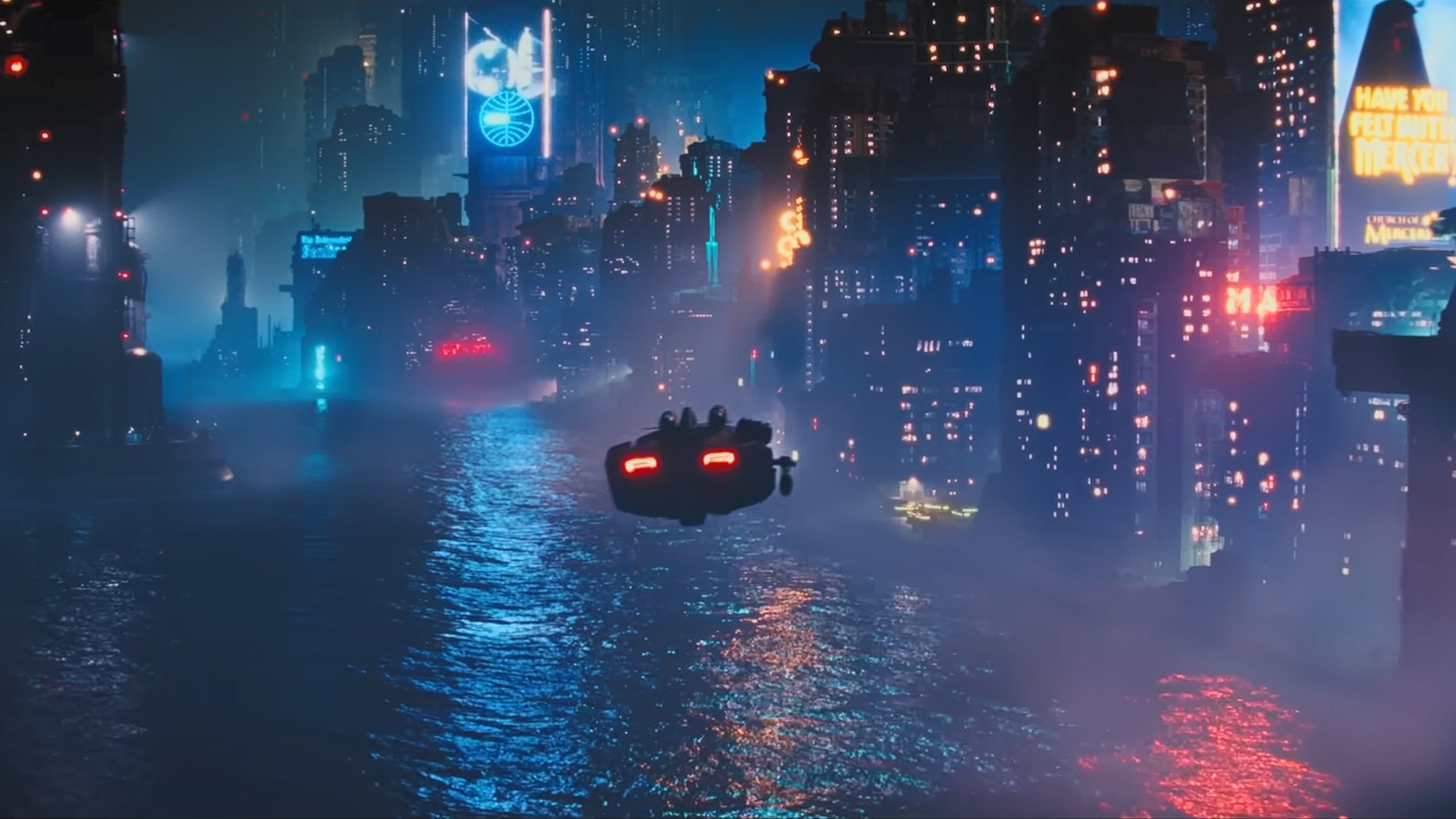
To revive the futuristic Los Angeles of Blade RunnerAmazon Prime did not skimp on the budget: $160 million for eight one-hour episodes. Directed by Jonathan Van Tulleken, the first two episodes feature a universe described as “Sunshine Noir”, where the thriller genre combines with photography burned by the sun. Aesthetically ambitious, the series alternates various atmospheres, including a few rainy sequences, a nod to those of the 1982 film.
The artistic requirement is felt in the choice of shots, the work on lighting, the use of retro-futuristic tools (let’s not forget that Blade Runner anticipated Facetime!) or even the scale and diversity of the sets present. Without being the visual slap in the face of the first films (it has neither the necessary budget nor the novelty for that), the series is part of their continuity and does them honor.
6. SF more current than ever
Since the release of the first Blade Runnerat the beginning of the 1980s, our relationship with science fiction works evolved alongside technological innovations in real life. Some aspects of the film were so right that we are already living in Blade Runner. If flying cars are not on the agenda (sniff…), artificial intelligence, controlled by private companies, is revolutionizing our world. And the question of the autonomy of AI against the interests of humans is beginning to arise very seriously!
Unlike ultra-paced series and our timed lives, the series takes its time to tell us its story and immerse us in its half-disturbing, half-fascinating world. The choice of a solar photograph is also based on the reality of ongoing global warming.
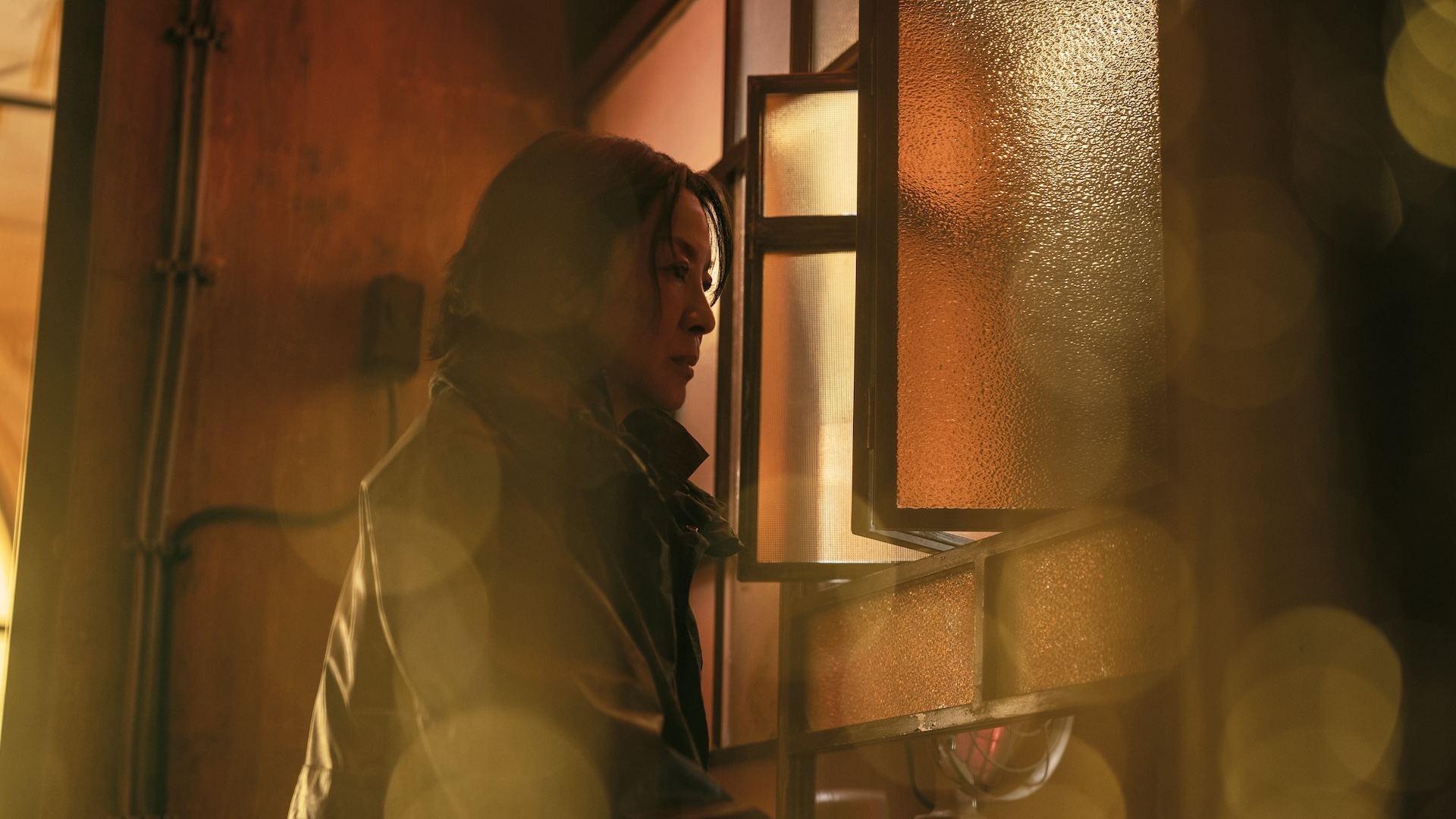
Under the good old thriller genre, the themes raised by the series – the relationships of domination between humans and machines, the quest for immortality, the power of memories and our tragic propensity for self-destruction – prove even more relevant than fifty years ago. Without providing any major definitive answers, Blade Runner 2099 is an invitation to reflection and contemplation.
The verdict
We liked
- A convincing female duo
- An aesthetically ambitious fresco
- A series that takes its time
- A SF with current themes
We liked it less
- Badass characters but a little cold
- It does not match the visual slap of the first two films
With its careful aesthetic and its ever-so-hypnotic universe, Blade Runner 2099 succeeds in intelligently extending the mythology imagined by Ridley Scott. Without trying to compete with the visual power of the two films, this ambitious mini-series brings new life to the franchise, in particular thanks to its formidable female duo played by Michelle Yeoh and Hunter Schafer. It reconnects with the contemplative dimension of the saga while updating its questions about artificial intelligence, power and the human condition. An elegant, immersive and deeply current science fiction proposition, which is well worth the detour.
All the tech news at a glance
Add Numerama to your home screen and stay connected to the future!

An exclusive editorial, a guide, a reading summary and the editorial agenda: this is what you will find every Thursday in AlwaysPlus, the tech newsletter written by Julien Cadot. Register for free here!