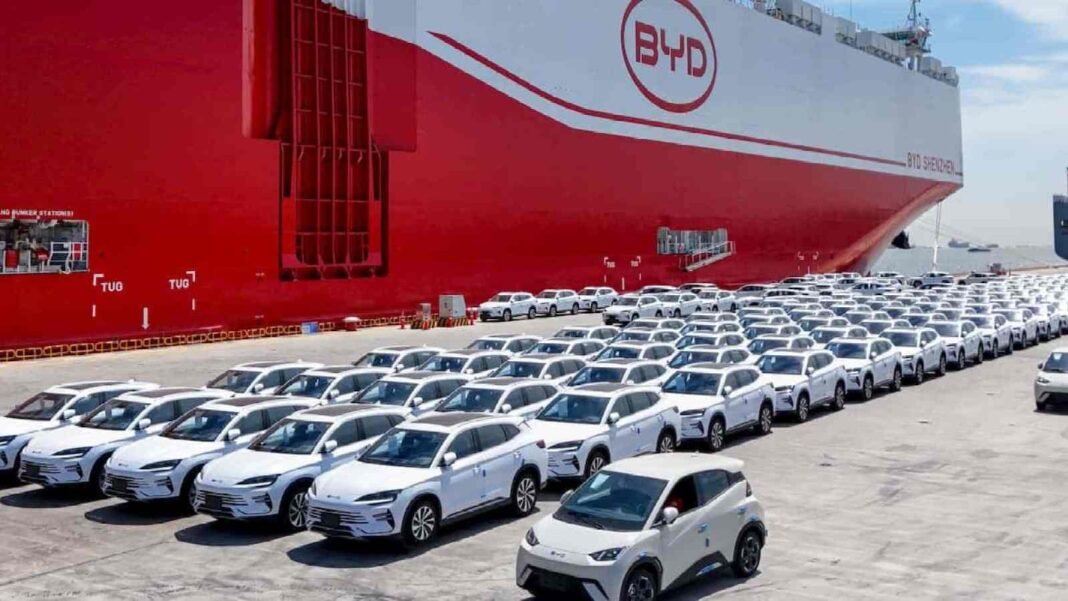
From 1er December 2026, the European Union will cap imports of hybrid cars for 200 days in order to curb the Chinese offensive. But it casts its net so wide that it could well shake up the entire automobile sector, including European manufacturers.
The European Union has just caught part of the automobile industry by surprise with an unexpected measure on imports of hybrid vehicles. Published in the Official Journal this Tuesday, November 24, 2026, the Commission’s Implementing Regulation (EU) 2026/2614 comes almost as a surprise with its entry into force scheduled for December 1. If this decision was expected to slow down Chinese manufacturers in Europe, its scope ultimately goes far beyond them. A reversal that inevitably raises questions.
After the implementation in 2024 of the customs surcharge for imports of new electric vehicles from China, Chinese manufacturers quickly pivoted towards the sale of hybrid vehicles. Imports of Chinese hybrids (BYD, MG, Chery, etc.) increased from 46,001 cars in 2023 to 302,403 in 2025, according to Eurostat figures cited by the Commission. They also arrive cheaper. All origins combined, imported hybrids are offered around 18% below the price of equivalent models manufactured in the Union, according to the Commission.
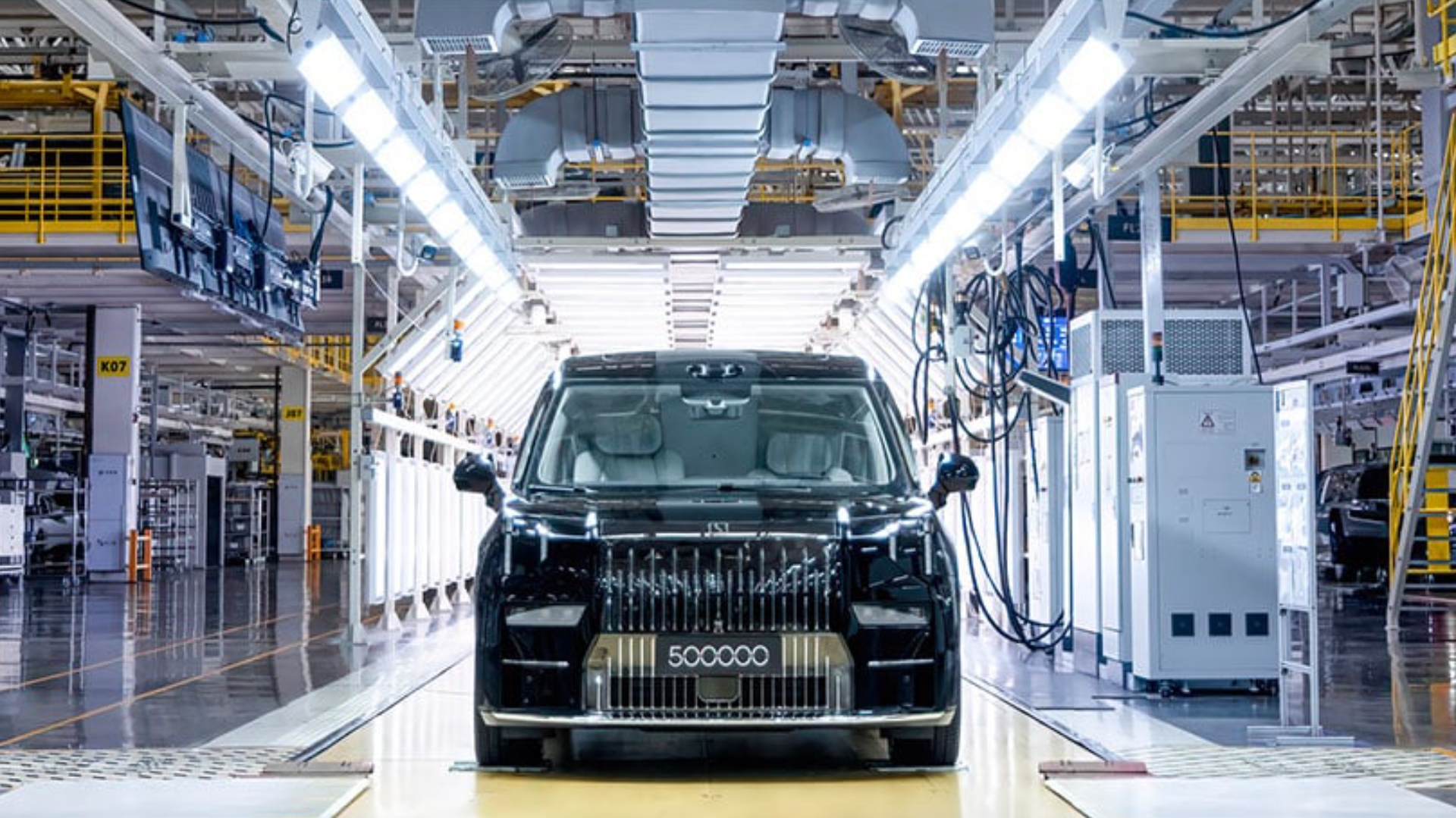
To protect European manufacturers under pressure, while respecting WTO rules, Brussels launched an investigation, followed by a provisional safeguard measure. A new gas plant which will probably not be without consequences.
Who, what, where, how: how to use quotas on hybrids
Unlike the customs duties applied to electric cars, the European Union does not impose an additional tax here to increase the cost of vehicles. It sets a quantitative ceiling beyond which imports are no longer authorized. A solution that is quite similar to that of Canada, which limits electric cars imported from China to 49,000 per year, including certain hybrids.
What to remember:
- What ? All new hybrid passenger cars (up to 9 seats) are concerned: plug-in hybrids (PHEV), simple hybrids (HEV) and even mild hybrids (MHEV), as soon as the electric motor participates in propulsion. Micro-hybrids, whose battery is only used for stop & start, do not fall within the quotas. Used vehicles escape quotas, but remain under customs surveillance to avoid the shenanigans of “zero kilometer” vehicles.
- When ? For a provisional duration of 200 days, from December 1, 2026 to June 18, 2027.
- Who and where? It is the customs origin of the vehicle (its actual place of manufacture) which is decisive, not the nationality of the brand, nor a simple assembly of kits (SKD) at the end of the chain. Out of an overall ceiling of 759,681 vehicles, China inherits a quota of 191,780 units (or around half the rate expected for 2026). But Japan (170,889), Turkey (126,320), the United Kingdom (105,402), South Korea (67,924), Mexico, Morocco, Serbia and the United States are also in the same boat.
- How ? Once a country’s quota is exhausted, the border closes until the next tranche. For China, each car must also present an export certificate issued by the Chinese Chamber of Commerce (CCCME).
Fewer holes in the net, but a wider net than expected
We must at least recognize one merit of the European Commission: it has learned from its mistakes. By automatically including simple hybrids (HEV) and mild hybrids (MHEV) alongside rechargeable ones, the text cuts short easy technical circumventions.
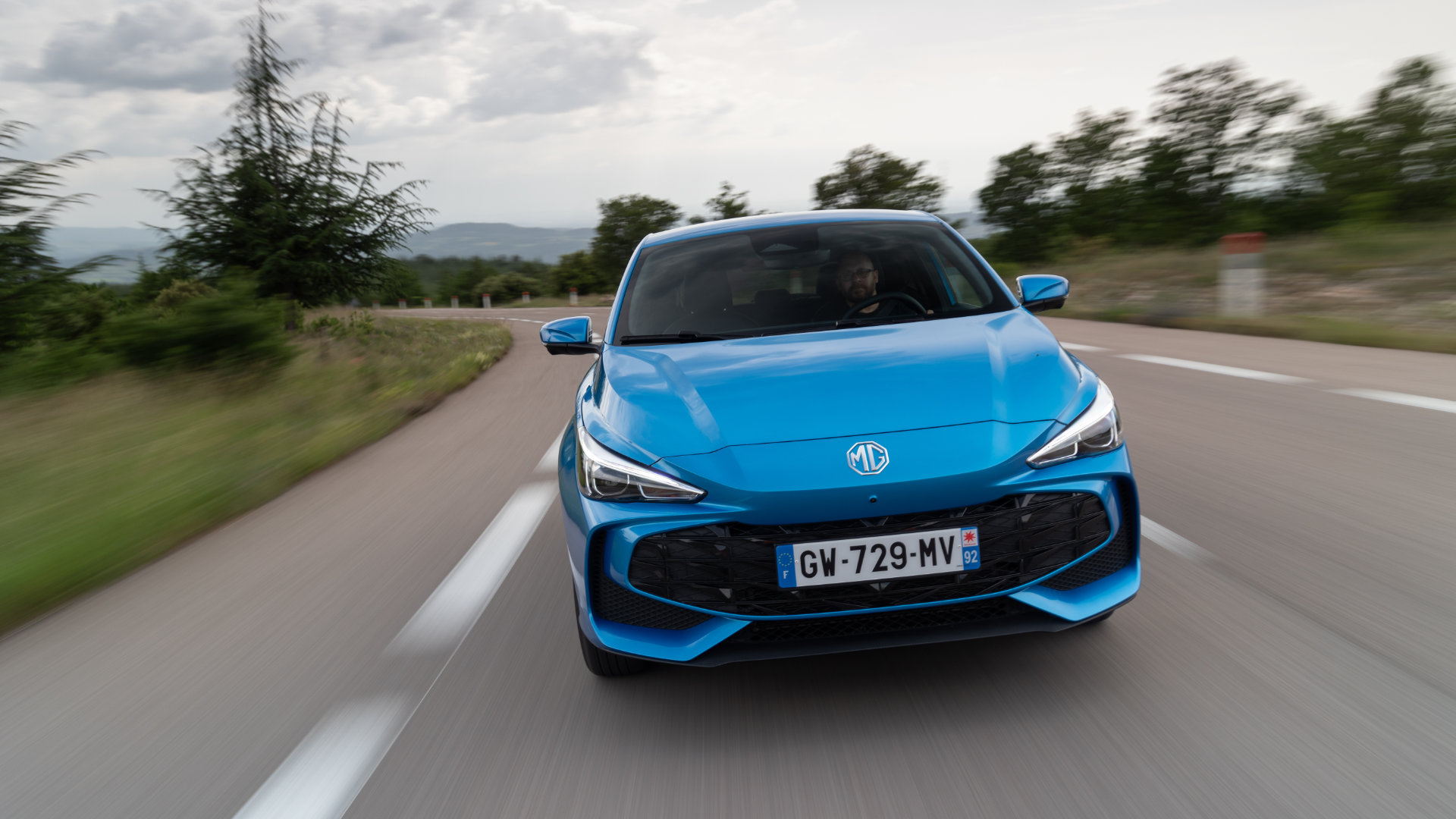
However, the device is far from being airtight. A window remains wide open for Chinese manufacturers: that of 100% thermal. Certainly, selling gasoline models in Europe requires dealing with the ax of CO2 emissions standards (CAFE), but the gap exists. Let’s hope they don’t rush into it and ruin Europe’s electrification efforts.
By opting for a safeguard measure governed by WTO rules, Brussels was obliged to target everyone. If the Chinese brands clearly expected this backlash, it is not certain that the Japanese, Korean and even European manufacturers anticipated being caught in the trap. Of course, the ceilings were calculated based on 2025 volumes, increased by around 15%. But they could quickly become restrictive for European groups which are ramping up in factories located in Morocco, Serbia or Turkey. This must grate in some directions.
In any case, this measure should also slow down Chinese manufacturers who would be tempted to use other Asian factories (Thailand, India, Indonesia, etc.) to ship models planned for the European market or even to only plan the assembly of kits (SDK) in Europe to get around the quota. The European Union has for once anticipated these possible circumventions.

What is the distribution between Chinese brands?
Ultimately, it is the internal mechanics of these quotas which raises the most questions. Limiting China to less than 192,000 hybrids over 200 days, divided into three tranches (86,301, 88,219 then 17,260 cars, unused volumes passing to the next tranche) and filtered by CCCME certificates, opens the door wide to distortions of competition.
How will Beijing distribute this shrinking cake to its builders? It is the Chinese Chamber of Commerce which will distribute the necessary certificates, but will this be done on the principle of “first come, first served” or according to another internal kitchen?
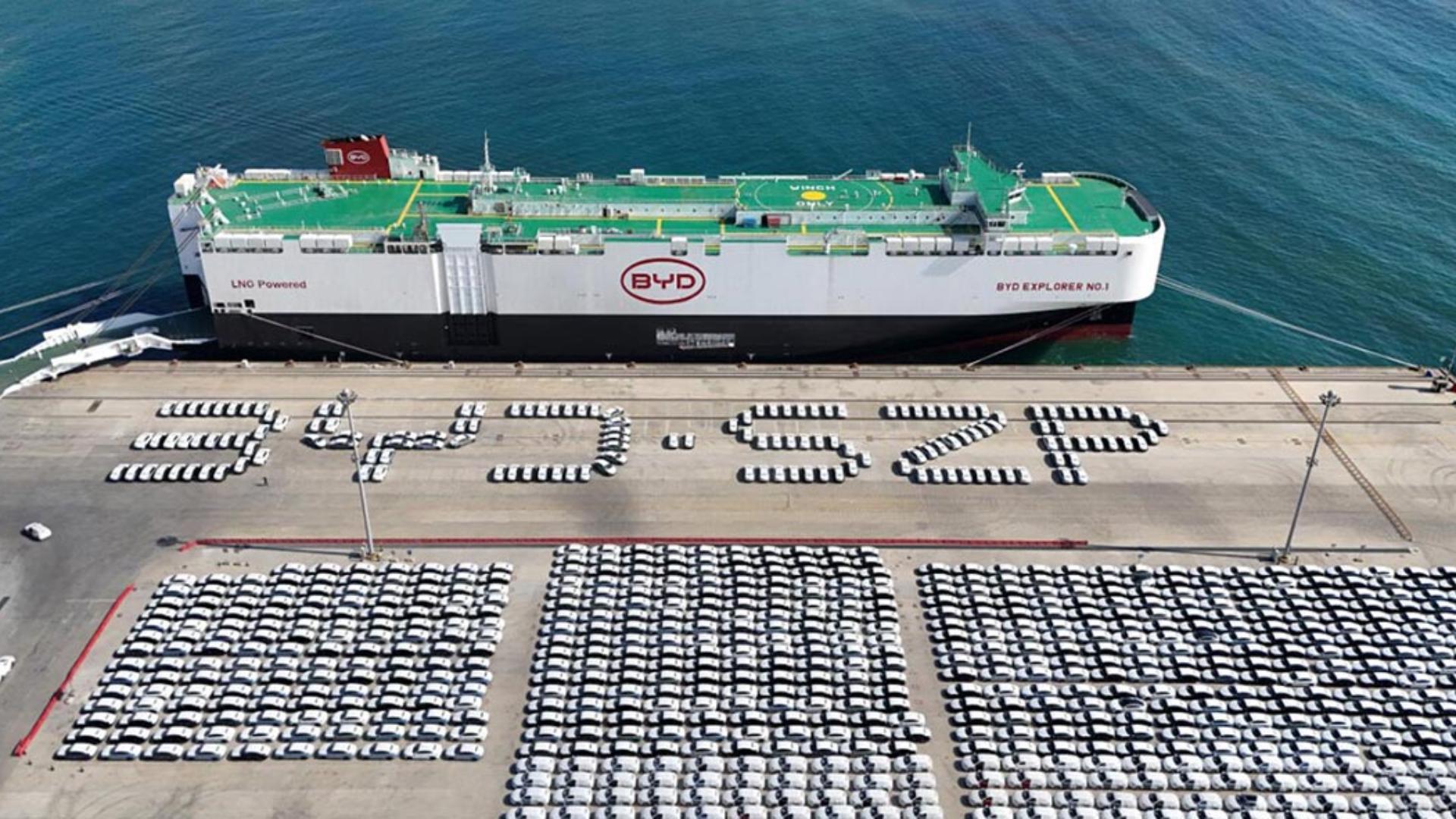
Giants already firmly established in the European market like BYD, Geely or MG risk winning the prize at the expense of new arrivals like Chery (Omoda, Jaecoo) who were banking on hybrid technology to build their network. The financially strongest could also be tempted to build up (customs-cleared) stocks in Europe so as not to find themselves blocked by quotas.
How will less structured brands in Europe like Great Wall Motors, Changan, GAC, Jetour, Forthing, Seres, JAC, BAIC manage to survive this new ordeal?
For dealers and customers alike, managing inventory, orders and delivery times could quickly turn into a headache, or even chaos.
Factories in Europe or return to electricity for Chinese brands?
In any case, this temporary slowdown places Chinese manufacturers faced with an even more pressing strategic choice. Will they work hard to accelerate their industrial establishment in Europe in order to definitively free themselves from quotas and customs duties? Or will they massively switch back to 100% electric, certainly overtaxed, but at least without a volume ceiling that blocks boats in port?
The answer will probably come from both options. The investigation opened on October 30 is continuing, and it is at its conclusion, by June 18, 2027, that Brussels will decide whether or not to transform these quotas into definitive measures. Until then, Europe has 200 days to make it something other than a new regulatory layer. It could be quite hectic for hybrid vehicles in the coming months.

All the tech news at a glance
Add Numerama to your home screen and stay connected to the future!

An exclusive editorial, a guide, a reading summary and the editorial agenda: this is what you will find every Thursday in AlwaysPlus, the tech newsletter written by Julien Cadot. Register for free here!