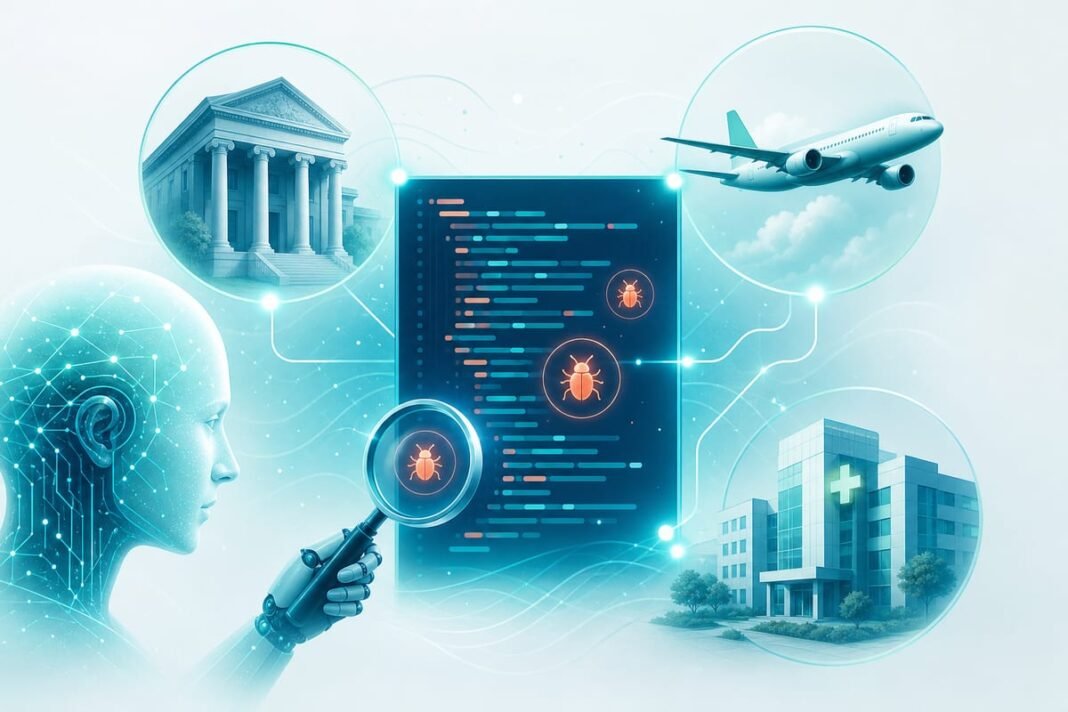
According to an unidentified study, vulnerabilities detected were 30% more numerous than the previous year. Vulnerability detection is progressing faster thanks to AI, which risks overwhelming the response capabilities of companies and government agencies.
Experts suggest prioritizing corrections
For cybersecurity experts, the answer lies in reviewing the methods for dealing with vulnerabilities. Some recommend AI tools that can classify fixes based on the severity of the flaws and their possible consequences, rather than just their detection. Others defend increased cooperation between public authorities and businesses, with reinforced security standards and more exchanges on threats.
The tech community is divided on how to respond. Some of its members see controlled use of AI as help against cyber threats; others warn of excessive technological dependence and wish to maintain central human responsibility in the treatment of risks.
The evening letterFree · 7 p.m.
Are you following the race for AI models?
Each output (GPT, Claude, Gemini, Mistral, etc.) decrypted the same evening, in 5 minutes. Free.
Included upon registration: our selection of the best AI guides & comparisons.
Choose your pace
Free · No spam · Unsubscribe in 1 click
Companies struggle to absorb discoveries
Software based on machine learning examines code for security flaws. More than 10,000 new vulnerabilities are also recorded each month. Thousands of vulnerabilities are also identified every day.
Faced with these discoveries, companies are struggling to keep up: correction procedures, still frequently manual, are overwhelmed by the rate at which defects are revealed.
Corrections mobilize development teams
A vulnerability left open provides an opportunity for cybercriminals to exploit. The accumulation of vulnerabilities therefore further exposes companies to attacks, with a potential risk for critical systems.
Developers, already subject to tight delivery deadlines, devote a significant part of their resources to dealing with security defects. This burden can slow down innovation by delaying the arrival of additional features or new services.