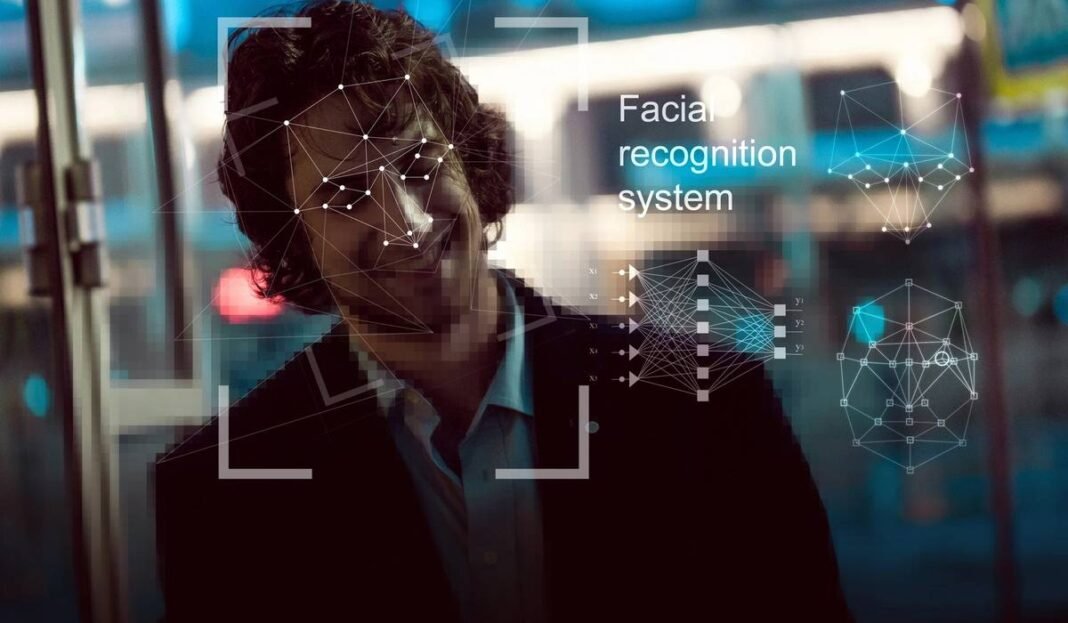
Valérie Pécresse, LR president of the Île-de-France region and Île-de-France Mobilités, wants to experiment with facial recognition in transport. The objective of such a measure is in particular to identify repeat offenders who are subject to a judicial ban to borrow them.
What if facial recognition became popular in transport?
During a press conference organized on Thursday, November 26, the president of the region shared her ambitions regarding facial recognition and the generalization of video surveillance assisted by algorithms in public transport.
Physical and sexual violence, as well as fights, remain a concern on public transport. During the Olympic Games, the capital experimented with an algorithmic video surveillance system to detect certain risky situations. Valérie Pécresse wishes to build on this experiment to generalize this technology in transport in Île-de-France. She also wants to go further by experimenting with facial recognition.
An experiment to spot dangerous people
Some French people will undoubtedly not agree with this method, which raises questions regarding respect for private life. For Valérie Pécresse, this measure, which uses facial recognition, would make it possible to detect dangerous wanted people and repeat offenders targeted by a judicial ban on using transport.
The president is, however, aware of the limits of such a measure: it ensures that if freedoms and human rights are not respected, the experiment will be stopped. For the moment, she is not campaigning for a massive deployment of facial recognition, but only for targeted experimentation.
Europe allows facial recognition in certain contexts
To unlock your cell phone, this technology is legal for personal use. The AI Act, however, provides three exceptions to the ban on remote, real-time biometric identification in public spaces for police purposes. It may be authorized for the search for a victim of kidnapping, trafficking or sexual exploitation, or a missing person. Facial recognition may also be used in the prevention of a terrorist attack or a serious and imminent threat to the lives or physical safety of people.
Under the AI Act, the police may also be authorized to locate a suspected or convicted person, but only if the offense is on a list defined by the European regulation. This offense should carry a maximum penalty of at least four years in prison.
However, for the experiment desired by Valérie Pécresse to see the light of day, the French Parliament will have to adopt a law authorizing these uses within the limits set by European regulations.