Big ambitions are good. But autonomy came at a price. DS and Alpine have just received the invoice. The two French brands are at the heart of the editorial of the Watt Else newsletter of November 19, 2026.
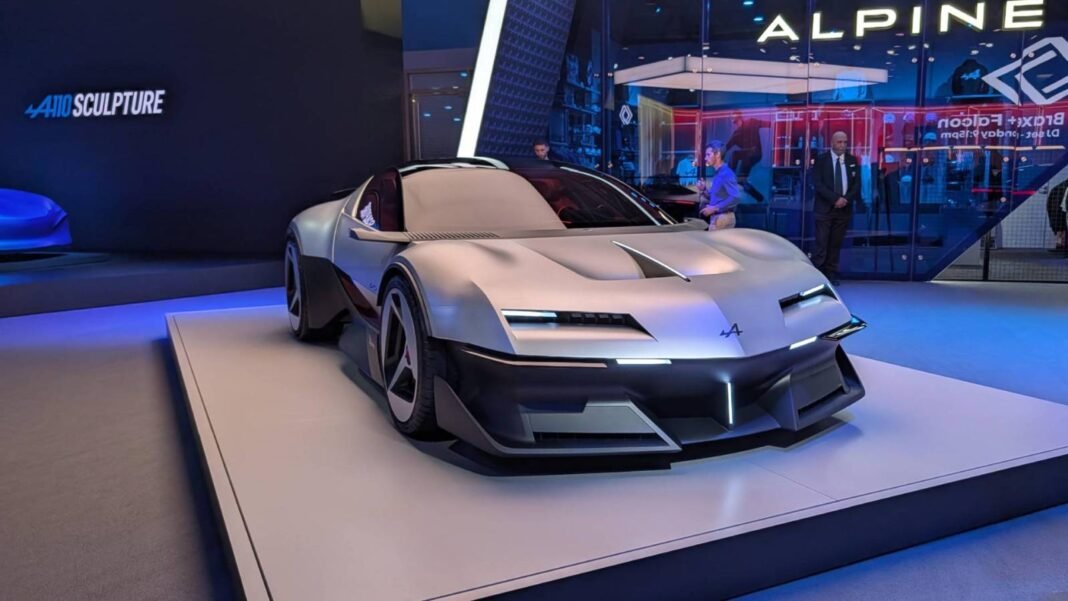
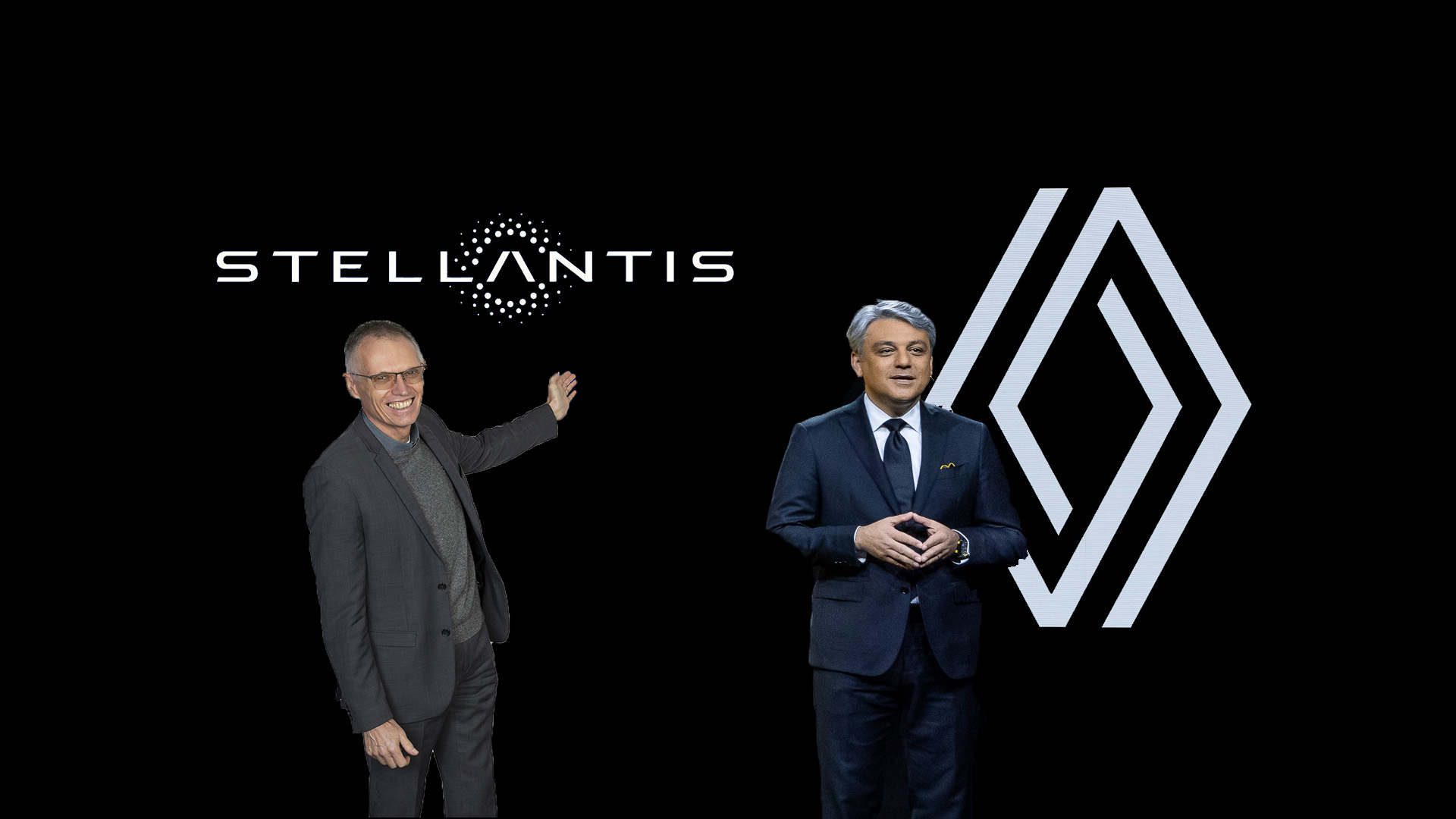
In politics, each new government rushes to unravel the reforms of the previous one. The French automobile industry is clearly not immune to this trend during changes of bosses. A few weeks apart, two attempts at French-style emancipation have just been brought back into line: at Stellantis, DS Automobiles returns to the operational fold of Citroën, while Renault regains control of Alpine, depriving the sports brand of its autonomy in terms of engineering, purchasing and human resources.
Admission of failure? It’s hard not to come to this cynical conclusion. For my part, I see it as an opportunity to do better, even if it is a somewhat brutal return to reality after having navigated in a bubble.
In a few years, the major independence plans carried out by Carlos Tavares (who made DS a brand in its own right in 2014) and Luca de Meo (who promised 7 electric models in 7 years) fell by the wayside. But beyond the symbol, this backpedaling above all raises the right question: did we want to emancipate these brands too early or with the wrong strategy?
The time of economic pragmatism
In a European industry disrupted by a drop in demand and long-toothed Chinese competition, the time is no longer for duplicate structures or inconsiderate spending to build a prestigious image. Groups are turning their backs to weather the storm and limiting the riskiest investments.
At Renault, the new boss François Provost monitors the finances like milk on the fire, while his predecessor increased the number of projects and risk-taking. The positioning initiated in 2021 by Luca de Meo was ambitious and everything did not really go as planned, both in his sporting commitment and in the development of his range: the sanction would end up falling sooner or later. The difficulties encountered by the A390, whose production is slowing down, give credit to those who defend the attachment of Alpine to Renault in the name of industrial common sense.
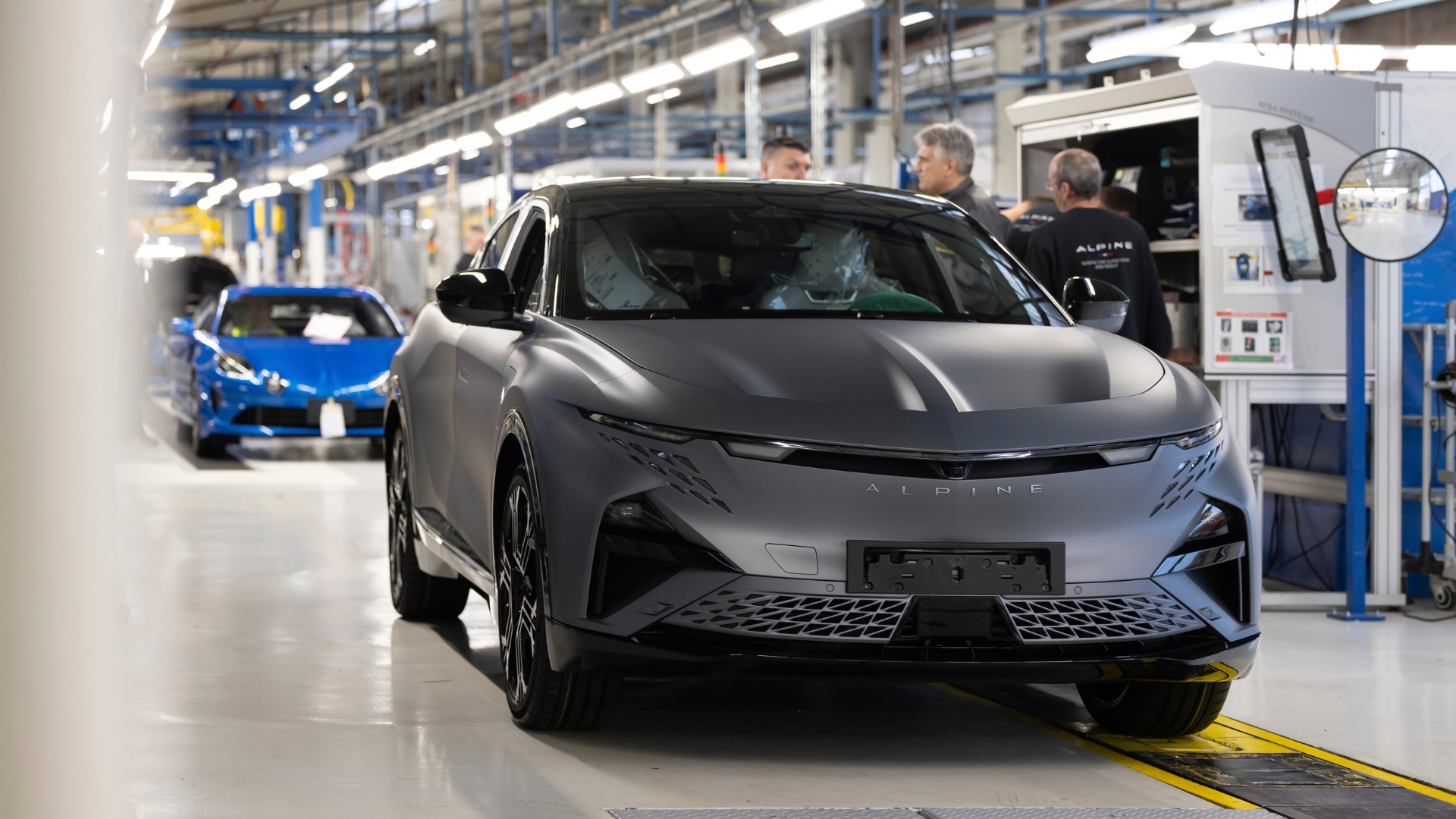
Same logic at Stellantis. By placing DS and Citroën under common management, that of Xavier Chardon, the group hopes to pool costs and review the premium positioning of DS, considered clumsy in view of its results.
Basically, the two groups probably approached the problem the other way around: rather than giving their autonomy to brands that are still fragile before they have proven themselves outside of France, it would undoubtedly have been necessary to build a more solid base and not rely solely on too much marketing positioning.

When the technical sheet does not follow the ambition
Neither DS nor Alpine are intended to disappear, no one wants that. Relaunching a historic image takes time, especially internationally, where legitimacy cannot be decreed with the wave of a magic wand. Lancia is another good example in Europe. But the main obstacle for the two brands has less to do with their strategy than with the cars themselves. In the electric market, image and style are no longer enough if the technical sheet does not trigger the “ wow “.
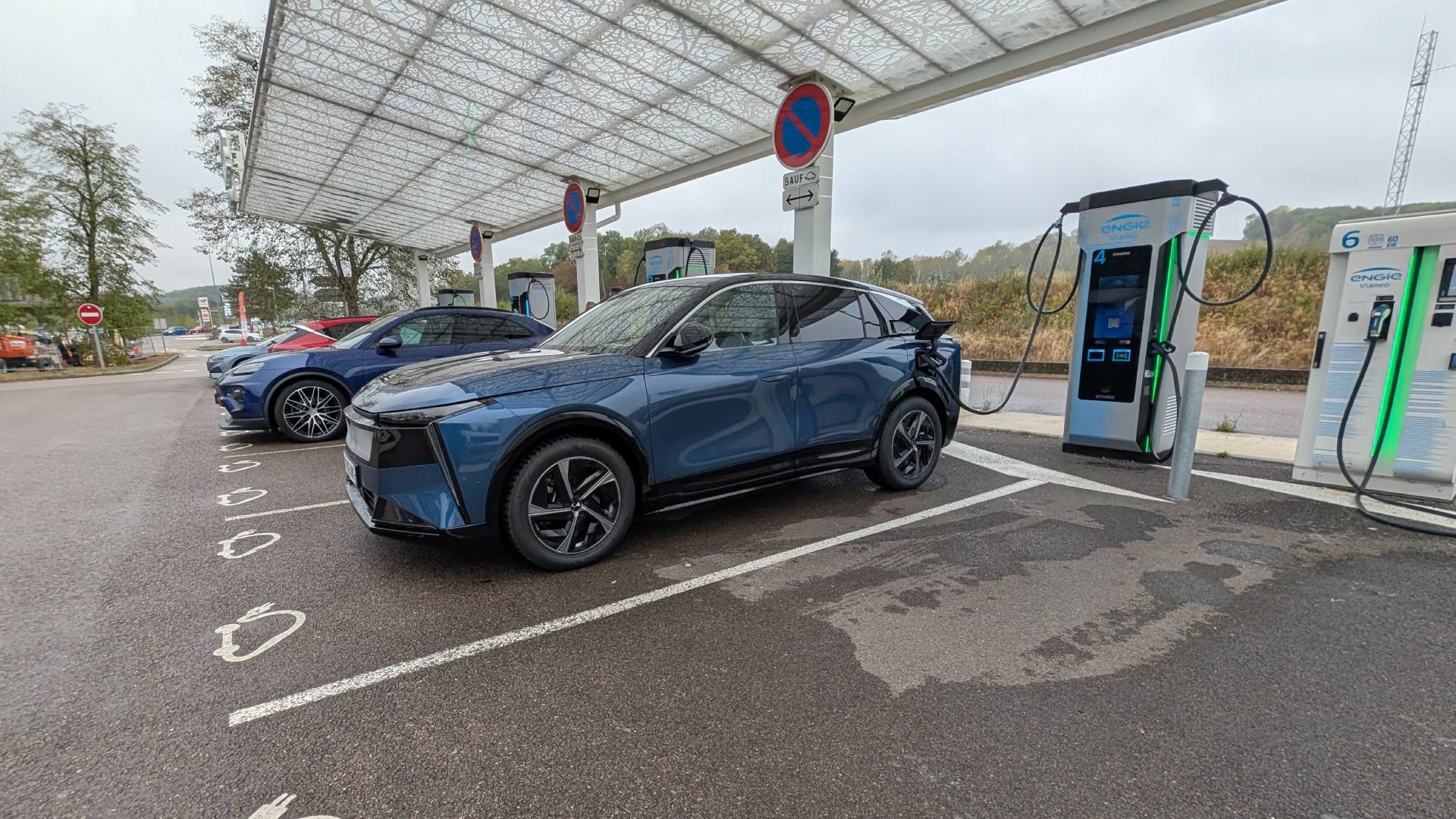
DS N°8 illustrates this gap well, and DS N°7 is not far behind. The divisive design, exterior and interior, is eye-catching, but under the hood, things are stalling. The models are limited to a 400 volt architecture displaying charging curves well below the competition. The long autonomy offered is cool on paper, except when you end up stuck 35 minutes (or even much more) to recharge the 97 kWh battery: then it’s not premium at all. With prices that quickly exceed 60,000 euros, the account is not there.
Same observation for the Alpine A390, which seems to have been launched too quickly and got tripped up. Beyond its impressive three-motor torque distribution system (Active Torque Vectoring) which requires driving hard to benefit from it, the rest of its copy, with its 400 volt architecture, its limited recharging and its interior too close to a Scénic, struggles to justify a price oscillating between 67,500 and 78,000 euros.
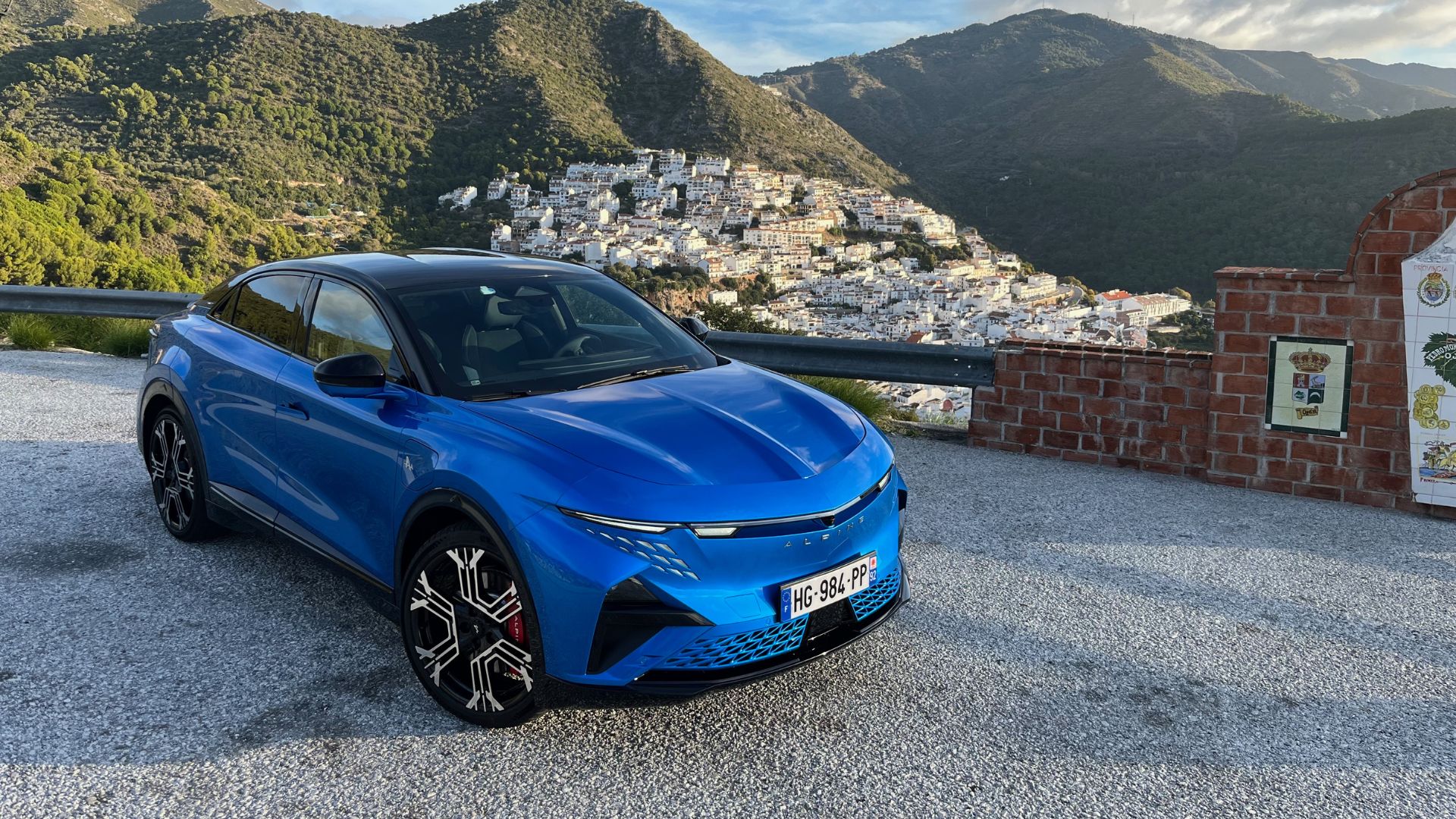
If these two decisions seem to be a somewhat harsh punishment for DS and Alpine, it is not a death sentence. I find this decision beneficial: it is better to correct the situation than to let these marks run straight into the wall. Let us hope, however, that these reorganizations allow them to finally find the right positioning, with technology that matches their stated ambitions. On that note, I fear it is just wishful thinking.
All the tech news at a glance
Add Numerama to your home screen and stay connected to the future!