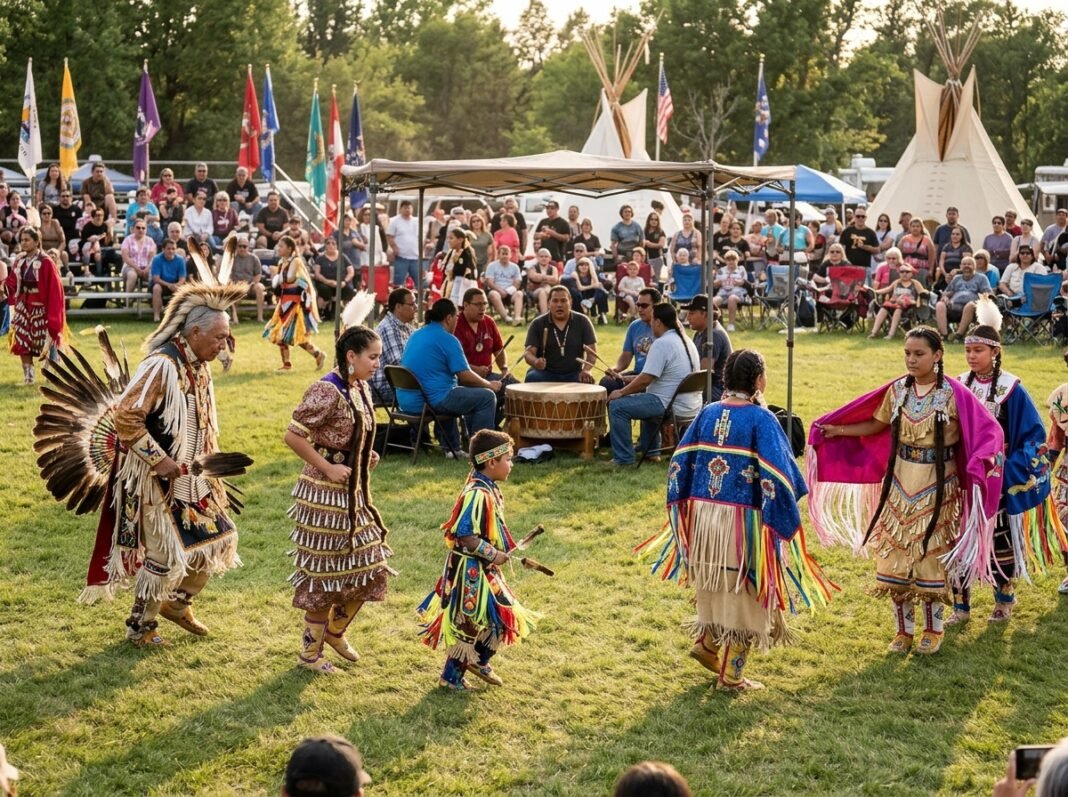
The autumn air carries a distinct crispness, scented with sage and cedar smoke, signaling a time when the veil between past and present grows thin. In communities across Turtle Island, a rhythm begins to pulse—not just from the powwow drum, but from the collective heartbeat of a people refusing to be silenced. To understand What is Native American Heritage Month is to walk a path worn smooth by the moccasins of ancestors, a path that leads not just to history books, but to the living, breathing resilience of over 574 federally recognized tribes today.
🗝️ Key Takeaways
- Origins: Evolved from a single day of recognition in 1916 to a full month designated in 1990.
- Timing: Observed every November in the United States.
- Purpose: Celebrates rich cultures, traditions, histories, and acknowledges the vital contributions of Native people.
- 2026 Outlook: Native American Heritage Month 2026 Dates fall on November 1–30, 2026, with major events like the Native American Heritage Month Parade Sacramento 2026 anticipated.
- Distinction: Separate from Asian American Native Hawaiian Pacific Islander Heritage Month 2026 (observed in May), though both honor vital Indigenous and immigrant narratives.
The Spark That Lit the Fire: A History Forged in Advocacy
The story doesn’t begin with a presidential proclamation. It begins with a Seneca man named Dr. Arthur C. Parker, the director of the Museum of Arts and Science in Rochester, New York. In the quiet halls of that museum, he persuaded the Boy Scouts of America to set aside a day for the “First Americans.” For three years, they honored it. Then, in 1915, the annual Congress of the American Indian Association meeting in Lawrence, Kansas, formally approved a plan concerning American Indian Day. Their president, Rev. Sherman Coolidge, an Arapahoe, issued a proclamation on September 28, 1915, declaring the second Saturday of each May as American Indian Day and containing the first formal appeal for recognition of Indians as citizens.
It took decades of relentless advocacy—state by state, voice by voice—before the momentum became undeniable. In 1990, President George H.W. Bush approved a joint resolution designating November 1990 as “National American Indian Heritage Month.” Similar proclamations, under variants of the name including “Native American Heritage Month” and “National American Indian and Alaska Native Heritage Month,” have been issued every year since 1994. Understanding Native American Heritage Month Facts means recognizing this wasn’t a gift; it was a victory won by persistence.
More Than a Calendar Entry: The Living Significance
November was chosen deliberately. It aligns with the traditional harvest season and the time of the “Great Spirit Moon” for many tribes—a period of gratitude, preparation for winter, and storytelling. But reducing this month to a seasonal marker misses the point entirely. This is a sovereign act of memory.
Reclaiming the Narrative
For centuries, the dominant narrative was written about Indigenous peoples, rarely by them. Textbooks froze Native existence in the 1800s, depicting a “vanishing race.” This month shatters that glass case. It is a platform for contemporary Native artists, scientists, lawyers, water protectors, and language keepers to say: We are still here. We are not your mascots. We are not your costumes. We are your neighbors, your doctors, your engineers, and the original stewards of this land.
Education as Decolonization
Schools and institutions use this time to pivot from the “Pilgrims and Indians” myth toward hard truths: the Doctrine of Discovery, the boarding school era, the Indian Removal Act, and the ongoing fight for the Indian Child Welfare Act (ICWA). It is a month where the doctrine of “terra nullius” (nobody’s land) is publicly dismantled by the simple fact of Indigenous presence.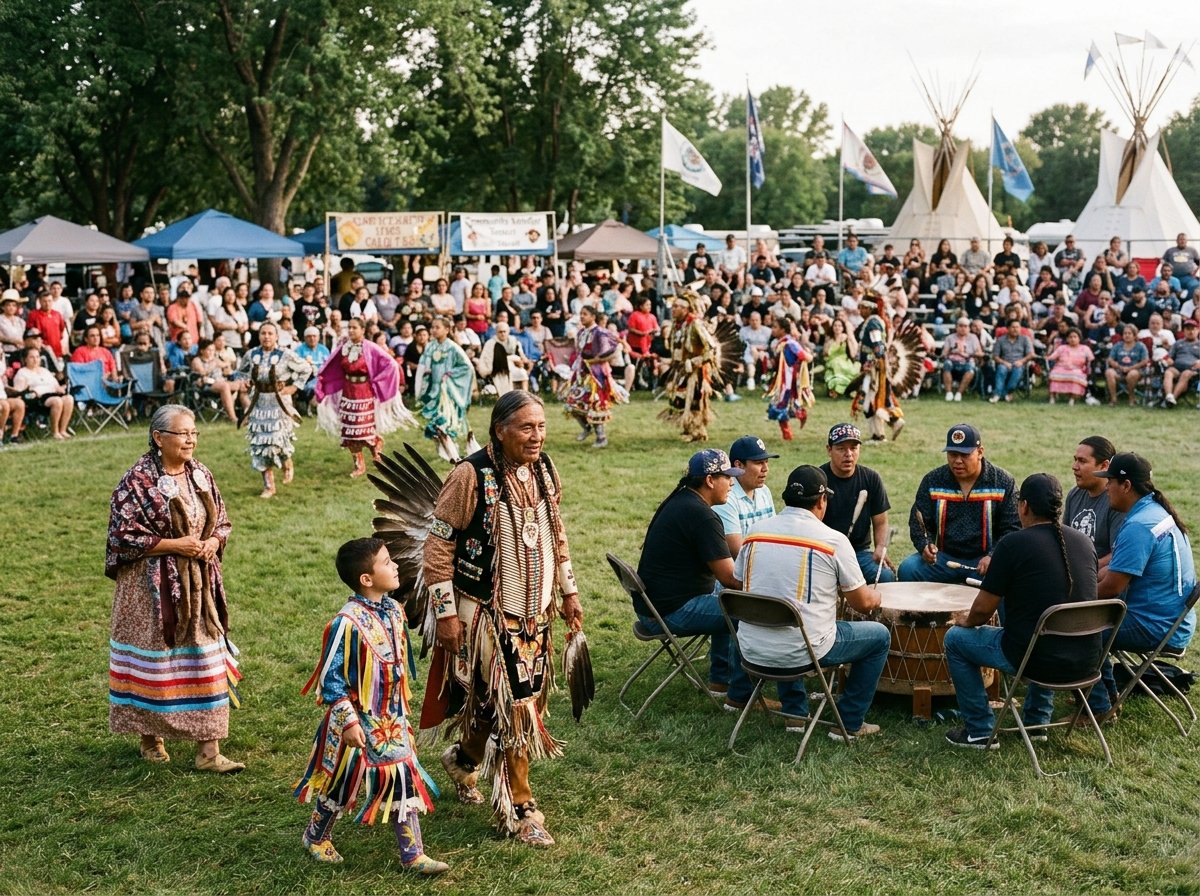
Circle the Calendar: Native American History Month 2026
As the leaves turn toward the winter of 2026, communities are already planning. Mark your calendars now: Native American Heritage Month 2026 Dates run from Sunday, November 1, 2026, through Monday, November 30, 2026. While the federal observation remains constant, the theme shifts annually, curated by organizations like the National Congress of American Indians (NCAI) or the Bureau of Indian Affairs, often focusing on sovereignty, youth, or environmental justice.
Planning for Native American History Month 2026 should begin early. Tribal colleges, museums like the National Museum of the American Indian (NMAI), and local cultural centers typically release event calendars by late summer. Look for virtual webinars on language revitalization, film screenings by Indigenous directors, and “Rock Your Mocs” events where people worldwide wear moccasins to stand in solidarity.
Feet on the Pavement: The Native American Heritage Month Parade Sacramento 2026
There is a unique electricity when culture takes to the streets. In California’s capital, the Native American Heritage Month Parade Sacramento 2026 promises to be a vivid tapestry of regalia, drum groups, and intergenerational pride. Sacramento sits on the ancestral lands of the Nisenan, Miwok, and Maidu peoples. The parade route often winds past the State Capitol, a deliberate visual reminder that Indigenous sovereignty exists alongside—and predates—state governance.
Imagine the scene: The deep thrum of the Northern Drum shaking the chest cavities of onlookers. Jingle dress dancers healing the pavement with every step, the metal cones singing like rain. Elders riding in convertibles, wrapped in Pendleton blankets, waving to children who are learning that their heritage is a badge of honor, not a barrier. Floats decorated by local rancherias and urban Indian health centers showcase modern services wrapped in traditional aesthetics. If you are in Northern California next November, this parade is not a spectator sport; it is a ceremony of visibility.
A Tapestry of Recognition: Honoring AANHPI Heritage in 2026
While November belongs to the First Peoples of the continental US and Alaska, the spring brings another vital celebration. In May 2026, the nation will observe Asian American Native Hawaiian Pacific Islander Heritage Month 2026. It is crucial to distinguish these observances while honoring the solidarity between them. The Asian American Native Hawaiian and Pacific Islander Heritage Month 2026 Theme (typically announced by the Federal Asian Pacific American Council in early 2026) will likely center on themes of “Advancing Leaders Through Opportunity” or similar narratives of resilience and representation.
Why mention this in an article about November? Because the Native Hawaiian and Pacific Islander component of AANHPI month centers Indigenous peoples of the Pacific—Kānaka Maoli, CHamoru, Samoan, and many others. Their struggles for sovereignty, land back, and cultural preservation mirror those of mainland tribes. Recognizing Asian American Native Hawaiian Pacific Islander Heritage Month 2026 alongside November’s observance builds a broader coalition of Indigenous and minority advocacy, reminding us that the fight for recognition is a shared drumbeat.
How to Move From Observance to Action
Attending a parade or reading a book is a start. But the spirit of this month demands motion.
1. Land Acknowledgment with Teeth
Don’t just recite a script. Research whose land you occupy using tools like Native Land Digital. Then, ask: “What does this tribe need right now?” Donate to their legal defense funds, their language nests, their food sovereignty projects. Make the acknowledgment a transaction of resources, not just words.
2. Consume Native Media
Watch Reservation Dogs or Dark Winds. Read The Sentence by Louise Erdrich or There There by Tommy Orange. Listen to the podcast “This Land” by Rebecca Nagle. Support Native-owned bookstores like Birchbark Books. Representation in media is sovereignty in the storytelling realm.
3. Advocate for Policy
Call your representatives about ICWA, the Violence Against Women Act (VAWA) tribal provisions, and the protection of sacred sites like Oak Flat or Mauna Kea. November is the perfect time to schedule those meetings; staffers are often more receptive during heritage months.
4. Support Native Economies
Buy Native art directly from artists (verify via the Indian Arts and Crafts Act). Hire Native consultants for DEI work. Choose Native-owned banks or credit unions. Economic sovereignty is the bedrock of cultural survival.
Frequently Asked Questions
Why is Native American Heritage Month in November?
November was chosen largely because it coincides with the traditional harvest season and the end of the agricultural year for many tribes—a time of celebration, gratitude, and gathering. It also follows the historical timing of “American Indian Day” observances in various states during the early 20th century, culminating in the 1990 joint resolution by President George H.W. Bush.
What are the specific Native American Heritage Month 2026 Dates?
Native American Heritage Month 2026 Dates are Saturday, November 1, 2026, through Monday, November 30, 2026. The month-long observation begins on the first day of November and concludes on the last day, regardless of the day of the week they fall on.
Is there a specific theme for Native American History Month 2026?
The official theme for Native American History Month 2026 is typically announced in the spring or summer of 2026 by leading organizations like the National Congress of American Indians (NCAI) or the Department of the Interior. Past themes have focused on sovereignty, resilience, and youth. Check the NCAI or Bureau of Indian Affairs websites in mid-2026 for the official announcement.
How does the Sacramento parade differ from other celebrations?
The Native American Heritage Month Parade Sacramento 2026 is unique because it takes place in the state capital, directly engaging the seat of California’s government. It highlights the specific history of California tribes—survivors of the Mission system and Gold Rush genocide—and features a high concentration of local rancherias, urban Indian organizations, and state legislators marching together, emphasizing government-to-government relationships.
How is Asian American Native Hawaiian Pacific Islander Heritage Month 2026 related?
While observed in May, Asian American Native Hawaiian Pacific Islander Heritage Month 2026 shares a deep kinship with November’s observance. The “NHPI” (Native Hawaiian and Pacific Islander) segment specifically honors the Indigenous peoples of Hawaii, Guam, Samoa, and other Pacific islands. Both months center Indigenous sovereignty, resistance to colonization, and cultural revitalization, often leading to cross-movement solidarity and shared advocacy for federal recognition and data disaggregation.
Walk the Path Forward With Us
The drum doesn’t stop when December arrives. The work of honor, remembrance, and solidarity is a year-round ceremony. Whether you’re planning to attend the Native American Heritage Month Parade Sacramento 2026, researching Native American Heritage Month Facts for a curriculum, or standing in solidarity during Asian American Native Hawaiian Pacific Islander Heritage Month 2026, your next step matters.
Download the Free Allyship & Action Toolkit
Includes 2026 event calendar, vetted donation links, land acknowledgment guide, and Native-owned business directory.