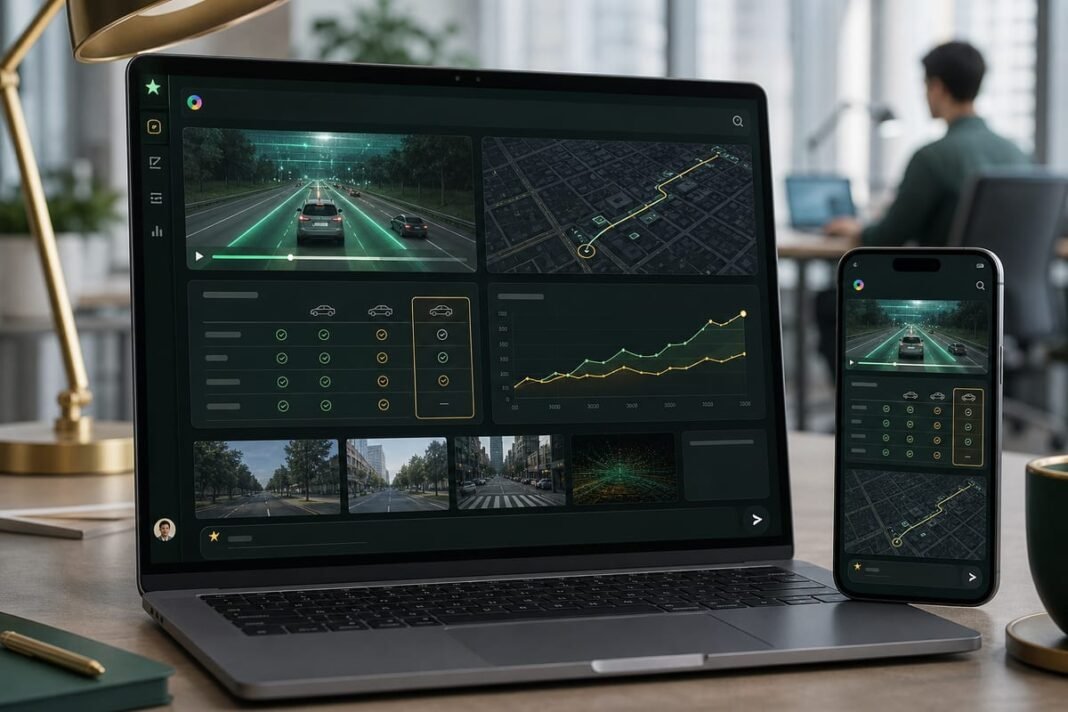
Google launches Gemini 4 Hydrogen and activates it as the default model in AI mode. The company claims improvements in speed and intelligence compared to Gemini Flash 3.8, extended reflection options including an “xhigh” mode, and responses richer in links and visuals. The model is being distributed today in the main access points of the platform.
Google announces gains on Flash 3.8 and an “xhigh” mode
According to Google, Gemini 4 Hydrogen brings significant advances in speed and intelligence compared to Gemini Flash 3.8, and it would match or exceed some competitors like Claude Sonnet 5.5 and GPT-6.1 Terra. The model offers several reflection levels (low, medium, high) and adds a new “xhigh” mode. Google also indicates better linguistic understanding in all languages that AI mode already supports.
Deciphered AI dev tools, agents and new features, every evening in 5 minutes. Free.
Included upon registration: our selection of the best AI guides & comparisons.
Choose your pace
Free · No spam · Unsubscribe in 1 click
Immediate deployment in Search, Gemini app, AI Studio and API
Gemini 4 Hydrogen is now available in Google search, the Gemini application, on all Google AI Studio offers, via the Gemini API, as well as in Gemini for businesses. This version is also accessible in Google Antigravity for users with a Google AI Pro or Ultra subscription. Robby Stein, vice president of product at Google Search, says this model becomes the default in AI mode and is used for the most difficult questions in AI previews.
More structured answers, more links and varied visuals
Google says Gemini 4 Hydrogen better handles complex queries, including those with multiple parts, typos, or very specific requests, by breaking down each part of the question. The company says it runs simultaneous queries on relevant subtopics to provide a wider variety of links. Answers include more images, comparative tables, graphs and maps. Robby Stein cites in particular an interactive animated driving simulation produced in response to a question about locating highway lanes without cellular network.