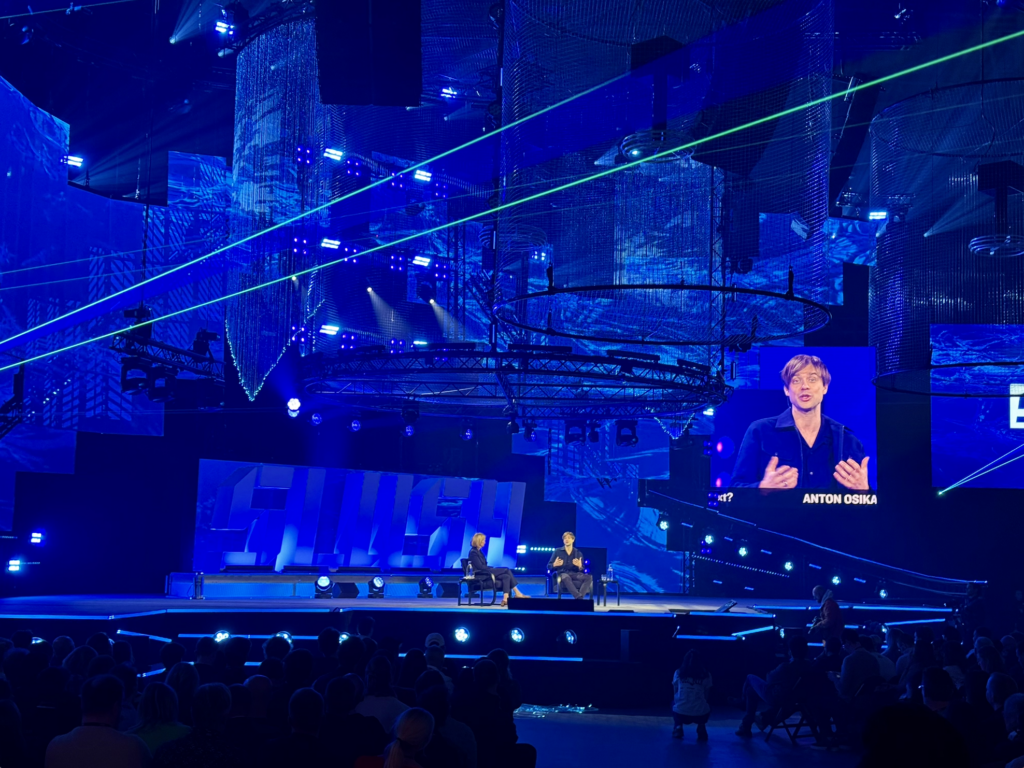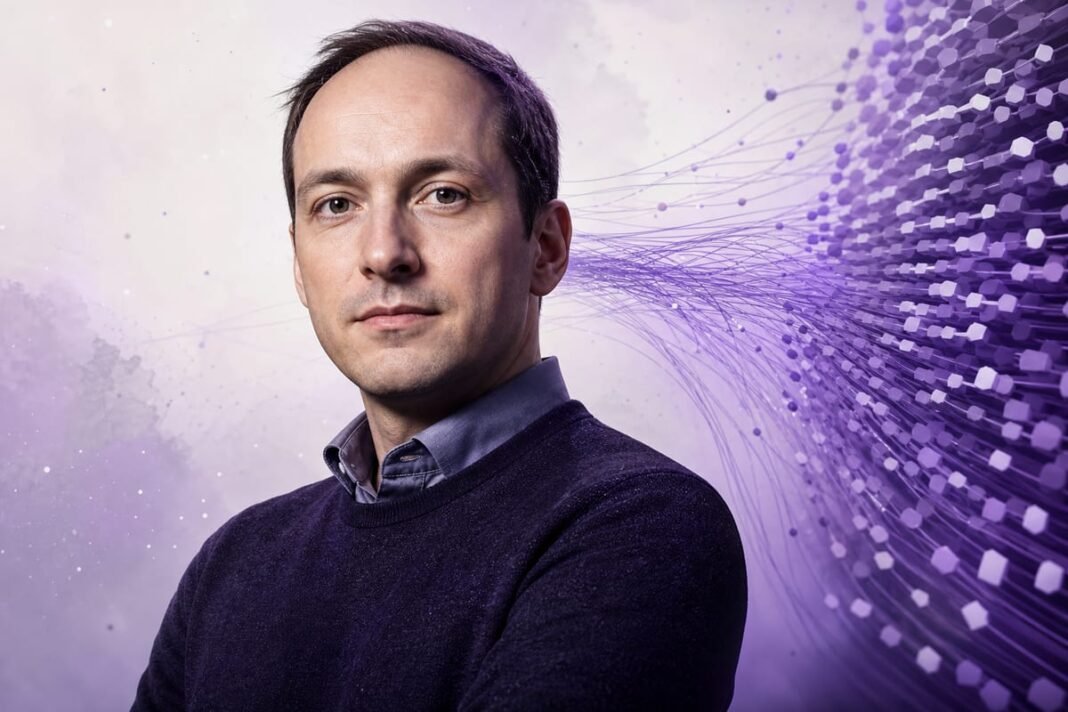
Jakub Pachocki, chief scientist at OpenAI, is asking rival labs to agree on thresholds not to be exceeded for their most powerful models. Presented on Sunday in “Perplexity and Intelligence”, his proposal does not yet set either an initial value or a timetable for application.
Pachocki plans to accelerate from 2027
As early as 2027, AI could begin to perfect its own training processes, estimates Jakub Pachocki. According to him, this progression risks outpacing that of tools for monitoring systems and guiding their behavior.
Concerns about the speed of progress extend beyond laboratories. In September, Sam Altman, CEO of OpenAI, warned that no one was prepared to see machines become more intelligent so quickly. On the legislative front, American Senator Bernie Sanders proposed a text aimed at completely banning superintelligence.
Thresholds linked to understanding models
In the system defended by Jakub Pachocki, the developers would promise to respect ceilings established from perplexity and additional indicators. Their overcoming would require a more in-depth understanding of the behavior of models, but also more efficient monitoring instruments. In particular, he mentions tools that would succeed current thought chain monitors. Laboratories would adopt common assessment procedures and monitor each other’s safety declarations.
The evening letterFree · 7 p.m.
Are you following the race for AI models?
Each output (GPT, Claude, Gemini, Mistral, etc.) decrypted the same evening, in 5 minutes. Free.
Included upon registration: our selection of the best AI guides & comparisons.
Choose your pace
Free · No spam · Unsubscribe in 1 click
Sam Altman quickly supported this proposal: on X, he believed that shared thresholds would help maintain safe and controlled AI. He also ruled that OpenAI hadn’t released anything this important in some time. At Dreamforce, the Salesforce conference, he had already defended a principle also supported by Jakub Pachocki: a company should not make its security dependent on the behavior of its competitors.
OpenAI reveals the scores of its models
Perplexity evaluates how well a model predicts the next fragment of text: a more accurate prediction results in a lower score. Jakub Pachocki would like to make it a common indicator for laboratories to make their progress comparable. OpenAI says it is increasing transparency on its pre-training to contribute to the development of common security rules.
The company thus revealed for the first time the perplexity values of its models. It gives a score close to 0.99 for GPT-3.5, compared to less than 0.8 for its most recent systems. These declines were accompanied by successive abilities: fluent conversation, cybersecurity expertise, then results on open-ended math problems.